Have you ever stood before a magnificent tapestry, marveling at its intricate designs and the stories woven into its very fabric? These grand textiles are more than just decorative items; they are historical treasures, each thread holding tales of artistry, culture, and craftsmanship that span centuries. However, owning such a masterpiece comes with a unique set of challenges. How does one properly mount and store these expansive works of art to ensure their preservation for future generations?
In our fast-paced, modern world, where minimalism often takes precedence, the art of displaying and caring for tapestries is a skill that has dwindled. Yet, with the resurgence of interest in vintage and artisanal decor, the tapestry is making a comeback. Whether you’re a seasoned collector or a newcomer enchanted by their beauty, understanding the proper techniques for mounting and storing these textiles is crucial. In this article, we delve deep into the art of tapestry care, equipping you with the knowledge to both showcase and preserve your priceless pieces.
Mounting a tapestry can seem daunting at first. These large and often heavy pieces require specific techniques to ensure they hang correctly without causing damage. Improper mounting not only detracts from the visual impact of the piece but can also lead to irreversible harm. From selecting the right hardware to choosing the best wall location, we’ll guide you through each step, ensuring your tapestry is both a stunning focal point and a well-preserved artifact.
But what about when it’s time to change things up or when your beloved tapestry needs to be stored? Many tapestry owners find themselves unsure of how to store these pieces without risking damage. Unlike other textiles, tapestries require specific conditions to prevent issues such as mold, fading, and tearing. We’ll explore the best practices for rolling, wrapping, and storing your tapestry, ensuring it remains in pristine condition, ready to be displayed at any moment.
Understanding the materials involved is another critical aspect of tapestry care. Wool, silk, and cotton each have unique characteristics and preservation needs. By diving into the specifics of each material, you’ll learn how to tailor your care approach to the specific requirements of your tapestry, maximizing its longevity and vibrancy.
Furthermore, environmental factors play a significant role in the preservation of tapestries. Light exposure, humidity, and temperature fluctuations can all wreak havoc on these delicate textiles. We’ll provide you with strategies to mitigate these risks, ensuring your tapestry remains a cherished centerpiece in your home.
Of course, accidents happen. Whether it’s a spill, a tear, or an unfortunate encounter with a pet, knowing how to address damage promptly and effectively is essential. We’ll cover basic repair techniques and when it’s time to call in a professional conservator to ensure your tapestry’s integrity.
Finally, we’ll touch on the historical and cultural significance of tapestries, providing context to their enduring appeal. By understanding the stories and techniques behind these artworks, you’ll gain a deeper appreciation for your tapestry, transforming it from a mere decorative item to a living piece of history in your home.
So, are you ready to master the art of mounting and storing large tapestries? Join us as we unravel the secrets to preserving these textile treasures, blending practical advice with a passion for historical art. Whether your tapestry is a family heirloom or a new addition to your collection, these tips and tricks will ensure it remains a cherished part of your decor for years to come. Let’s dive in and discover how to give your tapestry the care and attention it deserves, ensuring its beauty and story endure. 🌟
Conclusion
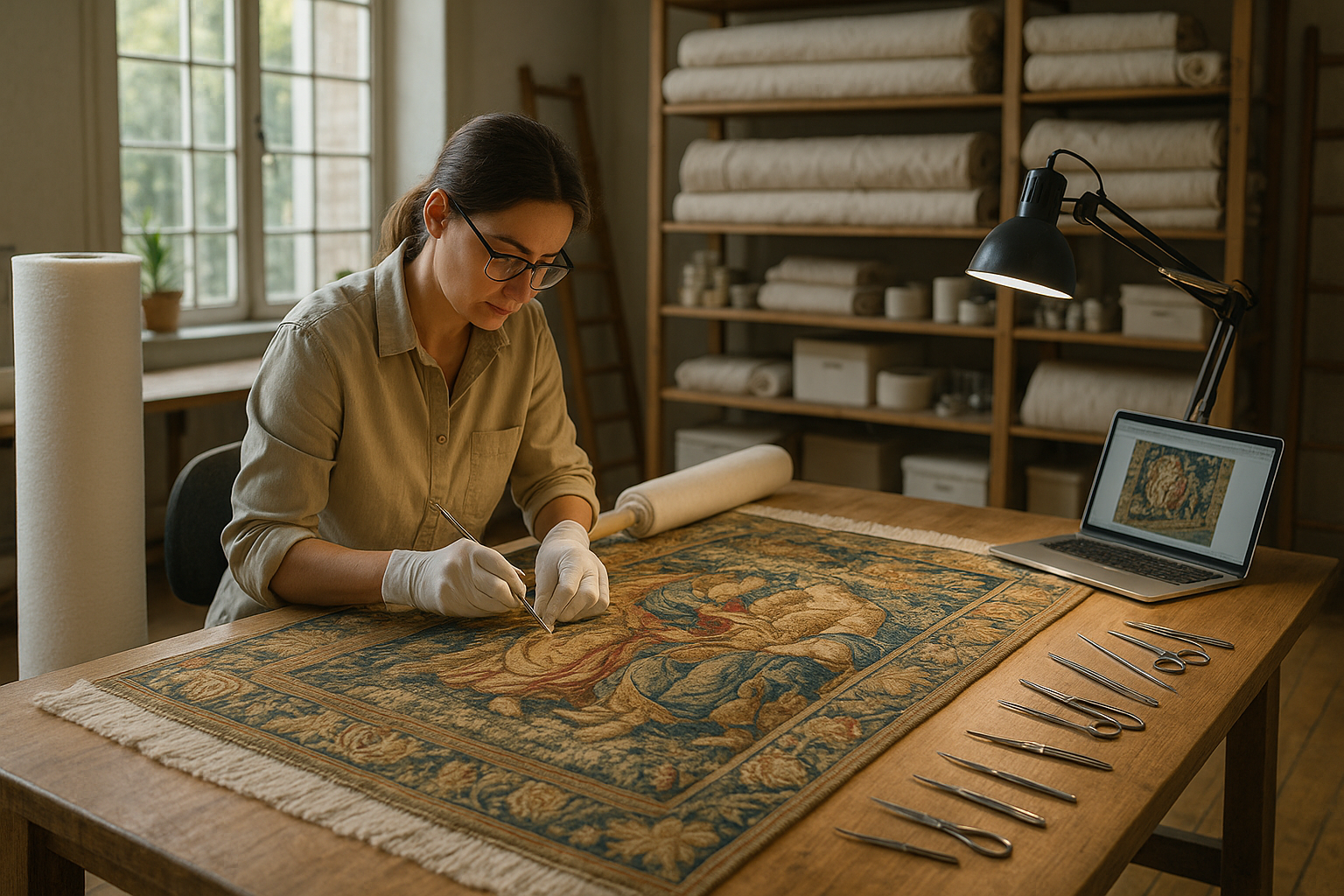
As we conclude our exploration of tapestry mounting and storage, it’s clear that preserving these intricate works of art requires a blend of craftsmanship, conservation science, and respect for historical integrity. Proper mounting not only ensures visual presentation but also protects delicate fibers from stress, light exposure, and environmental fluctuations.
The true mastery of tapestry care lies in balance — between display and preservation. 🌿💡 Using archival materials, controlled humidity, and supportive mounting systems, conservators safeguard these woven masterpieces for generations to come. Ultimately, mastering tapestry mounting and storage is more than technical skill — it’s an act of guardianship, preserving the texture, color, and stories woven into every thread of human creativity.