
Anúncios
Earthquakes strike without warning, but you don’t have to be caught off guard. Real-time alerts can give you precious seconds to protect yourself and your loved ones.
Anúncios
Living in earthquake-prone regions means accepting a certain level of risk, but technology has transformed how we prepare for and respond to seismic events. Modern earthquake alert systems can detect tremors and send notifications to your smartphone before the shaking reaches your location, providing crucial time to take cover.


Whether you live along the Pacific Ring of Fire, in California, Japan, or any other seismically active area, having real-time earthquake alerts can make the difference between panic and preparedness. Let’s explore how these systems work and how you can set them up today.
🌍 How Earthquake Alert Systems Actually Work
Anúncios
Earthquake early warning systems rely on a simple scientific principle: seismic waves travel at different speeds. Primary waves (P-waves) move faster but cause less damage, while secondary waves (S-waves) arrive later and cause the destructive shaking we associate with earthquakes.
Seismometers scattered across regions detect the initial P-waves and instantly transmit data to processing centers. Advanced algorithms calculate the earthquake’s magnitude, location, and projected intensity, then send alerts to users in affected areas—all within seconds.
The alert time varies depending on your distance from the epicenter. Those farther away receive more warning time, sometimes up to a minute or more. Even a few seconds can be lifesaving, allowing you to drop, cover, and hold on before the worst shaking arrives.
The Technology Behind Your Phone’s Alert
Smartphone-based earthquake alert systems combine data from traditional seismometer networks with crowdsourced information from millions of phones. Modern smartphones contain sensitive accelerometers that can detect earthquake motion.
When thousands of phones in an area simultaneously detect shaking patterns consistent with an earthquake, the system can confirm an event is occurring and alert others nearby. This creates a dense detection network far beyond what traditional seismometer stations could achieve alone.
📱 Best Apps for Real-Time Earthquake Alerts
Several excellent apps deliver earthquake notifications directly to your smartphone. Each offers unique features tailored to different needs and regions.
MyShake: Berkeley’s Powerful Solution
Developed by UC Berkeley Seismological Laboratory, MyShake stands out as one of the most reliable earthquake alert apps available worldwide. It combines scientific accuracy with user-friendly design, making it accessible to everyone from casual users to emergency preparedness professionals.
MyShake provides early warnings for earthquakes magnitude 4.5 and higher, delivering alerts seconds before shaking arrives at your location. The app covers California extensively and has expanded to other earthquake-prone regions globally including Washington, Oregon, Greece, and New Zealand.
Beyond alerts, MyShake offers educational resources about earthquake safety, historical earthquake data for your area, and the ability to report what you felt during an earthquake, contributing valuable data to seismological research.

ShakeAlert: The Official U.S. System
ShakeAlert represents the official earthquake early warning system for the West Coast of the United States. Operated by the USGS in partnership with state emergency management agencies, ShakeAlert delivers alerts through multiple channels including wireless emergency alerts and dedicated apps.
Android users in California, Oregon, and Washington automatically receive ShakeAlert notifications through Google’s built-in earthquake detection system. This seamless integration means millions of residents get protected without downloading additional apps.
Other Regional Options Worth Considering
Depending on your location, region-specific apps might offer superior coverage. Japan’s earthquake alert system integrates with all mobile carriers, delivering instant warnings to every phone in the country. Mexico City’s SASMEX system provides early warnings for the capital region, which sits far from major fault lines but experiences damaging earthquakes from distant epicenters.
QuakeAlert, Earthquake Network, and LastQuake serve international audiences with varying degrees of accuracy and coverage. Research which system offers the best protection for your specific location.
⚙️ Setting Up Your Earthquake Alert System
Installing an earthquake alert app takes just minutes but requires proper configuration to work effectively when seconds count.
Installation and Permission Settings
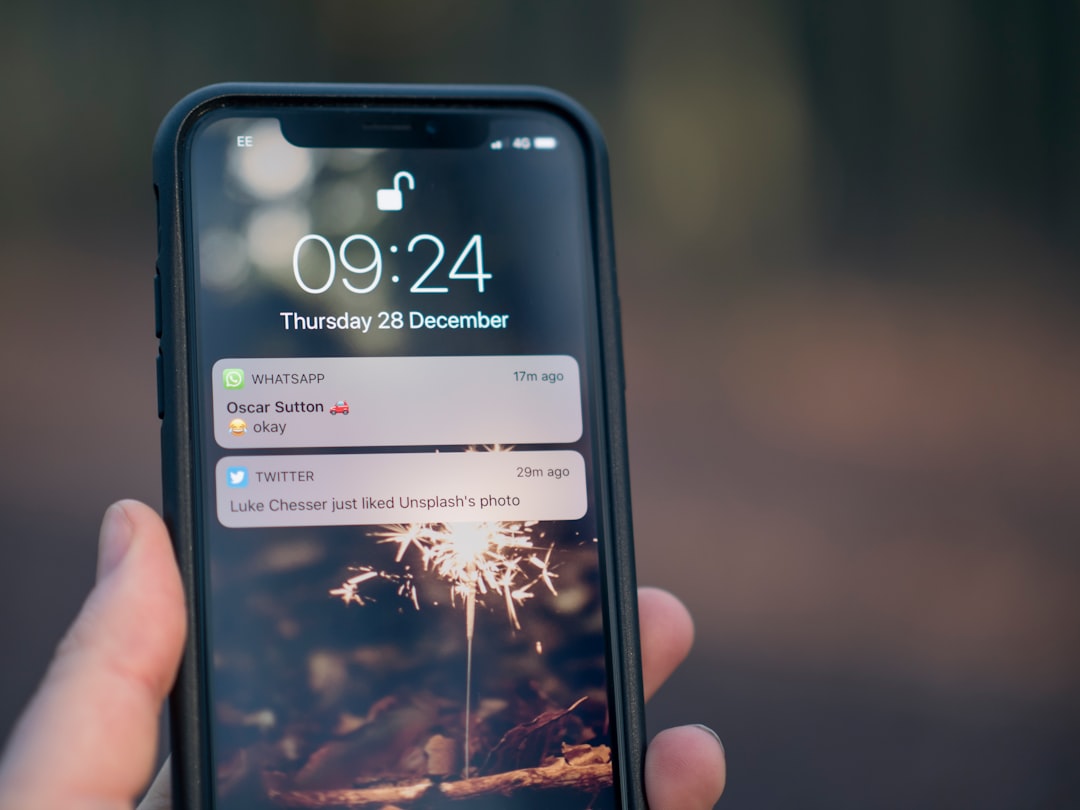
Download your chosen earthquake alert app from official app stores only. Grant all requested permissions, particularly location access and notification permissions. These apps need to know your precise location to calculate when shaking will reach you and require notification access to alert you even when your phone is locked or in Do Not Disturb mode.
Enable background app refresh or disable battery optimization for your earthquake alert app. Some aggressive battery-saving features can prevent time-critical notifications from reaching you promptly.
Customizing Your Alert Preferences
Most earthquake alert apps allow you to customize which events trigger notifications. You can typically set thresholds based on magnitude, expected shaking intensity at your location, or distance from the epicenter.
Consider your personal situation when adjusting these settings. If you live in a well-constructed modern building, you might only want alerts for stronger earthquakes. Older buildings or those living in areas prone to landslides or tsunamis should set lower thresholds to maximize warning time.
Test your alerts regularly using the app’s testing features. Many apps include simulated earthquake scenarios that let you experience how alerts will appear and sound during actual events.
🏠 What to Do When You Receive an Alert
Receiving an earthquake alert can trigger anxiety, but having a clear action plan transforms that nervous energy into life-saving preparation.
The First 5 Seconds Matter Most
When your phone sounds an earthquake alert, you have seconds to act. Don’t waste time checking additional information or trying to confirm the alert. Assume it’s real and act immediately.
Move away from windows, mirrors, and heavy objects that could fall. Get under a sturdy desk or table if possible. If no cover is available, move to an interior wall away from anything that could collapse or fall on you.
Drop to your hands and knees to prevent being knocked down. Cover your head and neck with your arms. If you’re under a table, hold on to one leg so it doesn’t move away from you during shaking.
Location-Specific Responses
Your response should vary based on where you are when the alert arrives. If you’re driving, pull over safely away from overpasses, bridges, and power lines, then stay inside your vehicle.
In a high-rise building, stay put rather than rushing for elevators or stairs. Modern tall buildings are designed to sway during earthquakes—this is normal and protective, not a sign of imminent collapse.
Outdoors, move away from buildings, streetlights, and utility wires. Find an open area if possible and drop to the ground when shaking starts.
🔔 Understanding Alert Accuracy and Limitations
Earthquake alert systems provide remarkable value but aren’t perfect. Understanding their limitations helps you maintain realistic expectations while still benefiting from the technology.
Why Some Earthquakes Don’t Trigger Alerts
Alert systems typically don’t activate for smaller earthquakes below magnitude 4.0 or 4.5, depending on the specific system. These smaller quakes rarely cause damage, and alerting for every tremor would lead to alert fatigue where people stop paying attention.
Earthquakes directly beneath or very near your location may provide little or no warning time. The system needs time to detect, analyze, and transmit alerts—if the epicenter is nearby, shaking might arrive before the alert can reach you.
False Alarms and Missed Events
Occasionally, earthquake alert systems generate false alarms—warnings for earthquakes that don’t occur or are significantly weaker than predicted. These usually result from processing errors, sensor malfunctions, or unusual seismic patterns that algorithms misinterpret.
More concerning are missed events where earthquakes occur without warnings. System coverage gaps, technical failures, or earthquakes that develop unusually quickly can prevent alerts from reaching users. This is why earthquake alerts supplement, rather than replace, traditional preparedness measures like securing furniture and maintaining emergency supplies.
🌐 Global Coverage: Where Earthquake Alerts Work Best
Earthquake early warning systems exist in various stages of development worldwide, with coverage quality varying dramatically by region.
Countries with Advanced Systems
Japan operates the world’s most sophisticated earthquake alert infrastructure, refined through decades of development following devastating quakes. The system reaches virtually every resident through multiple redundant channels.
Mexico’s SASMEX system protects Mexico City despite the capital’s distance from major faults. Because earthquakes originate far away along the coast, the system can provide up to 60 seconds of warning—enough time for trains to stop, surgeries to pause, and students to take cover.
The United States ShakeAlert system now covers the entire West Coast with plans for expansion. Taiwan, Romania, Turkey, South Korea, and China have also deployed regional systems with varying capabilities.
Emerging and Developing Systems
Many earthquake-prone regions lack comprehensive early warning infrastructure due to cost, technical challenges, or governmental priorities. Indonesia, the Philippines, Iran, and various Central American nations experience frequent damaging earthquakes but have limited alert capabilities.
Smartphone-based systems like MyShake help bridge these gaps by creating detection networks without requiring extensive infrastructure investment. As these technologies mature, they may bring life-saving alerts to previously underserved regions.
🎯 Integrating Alerts with Comprehensive Emergency Preparedness
Earthquake alerts form just one component of holistic earthquake preparedness. Maximizing your safety requires combining technology with practical measures.
Securing Your Home Environment
Even with advance warning, unsecured hazards in your home pose serious risks. Secure tall furniture to walls using brackets or straps. Move heavy objects to lower shelves where they’re less likely to fall and cause injury.
Install latches on kitchen cabinets to prevent dishes and glassware from flying out during shaking. Secure your water heater with straps—a toppled water heater can rupture gas lines and cause fires.
Identify safe spots in each room of your home where you’ll take cover when alerts arrive. Practice your response with family members so everyone knows exactly what to do without thinking.
Emergency Supplies and Plans
Maintain earthquake emergency kits with water, non-perishable food, first aid supplies, flashlights, batteries, and important documents. Store these in accessible locations that won’t be blocked by fallen furniture or debris.
Develop communication plans for reconnecting with family members after earthquakes when phone networks may be overloaded. Designate out-of-area contacts who can serve as information hubs since local calls often fail while long-distance calls go through.
📊 The Science of Seconds: How Much Warning Time Really Helps
You might wonder whether a few seconds of warning truly makes a difference. Research consistently shows that even minimal advance notice significantly reduces casualties and injuries.
Statistical Impact of Early Warnings
Studies from Japan and Mexico demonstrate that early warning systems reduce earthquake injuries by 20-30% or more. Even 5-10 seconds allows people to take protective actions that prevent injuries from falling objects, breaking glass, and other hazards.
Critical infrastructure benefits even more dramatically. Trains can trigger emergency brakes, industrial facilities can shut down dangerous processes, and surgeons can pause delicate procedures. Elevators can halt at the nearest floor and open doors, preventing people from becoming trapped.
Psychological Benefits of Preparedness
Beyond physical safety, earthquake alerts provide psychological benefits. Knowing you’ll receive warning reduces chronic anxiety about sudden disasters. When earthquakes do occur, having taken protective action before shaking starts reduces panic and helps people think more clearly about subsequent safety decisions.
🚀 Future Developments in Earthquake Alert Technology
Earthquake early warning technology continues evolving rapidly, with exciting developments on the horizon that will further enhance protection.
Artificial Intelligence and Machine Learning
Next-generation systems incorporate AI algorithms that analyze seismic patterns with unprecedented accuracy. These systems learn from every earthquake, continuously improving their ability to predict magnitude, location, and shaking intensity.
Machine learning models can identify precursor signals that traditional analysis might miss, potentially extending warning times. They also reduce false alarms by better distinguishing between earthquakes and other seismic noise like construction, traffic, or storms.
Expanded Smartphone Networks
As smartphone-based detection networks grow, they’ll create the world’s largest seismometer array—billions of sensors in people’s pockets. This density will enable detection of smaller earthquakes and more precise location of epicenters.
Integration between smartphones and traditional seismometer networks will create hybrid systems that combine scientific-grade equipment with massive crowdsourced coverage, delivering faster, more accurate alerts to more people worldwide.
💡 Teaching Children About Earthquake Alerts
Preparing children for earthquake alerts requires age-appropriate education that empowers without frightening.
Making Alerts Understandable and Non-Scary
Explain earthquake alerts using simple language: “The ground sometimes shakes, and our phone will warn us so we can stay safe.” Practice drop, cover, and hold on as a game rather than a frightening drill.
Let children hear what earthquake alerts sound like during calm moments so the noise doesn’t startle them during actual events. Explain that the alert sound means “time to practice our safety position” rather than creating associations with danger or fear.
School and Public Building Considerations
Ensure your children’s schools participate in earthquake early warning systems and conduct regular drills. Ask teachers about their earthquake protocols and how alerts integrate into their emergency procedures.
Discuss what to do if an alert arrives when children are at different locations—school, friends’ houses, or public spaces. Reinforce that wherever they are, the same basic principles apply: drop, cover, and hold on.
🔐 Privacy and Data Considerations
Earthquake alert apps require access to sensitive permissions, raising legitimate privacy questions that deserve consideration.
What Data These Apps Actually Collect
Reputable earthquake alert systems collect minimal personal information—primarily your location to determine when to send alerts. Crowdsourced detection systems may gather anonymized motion sensor data from your phone to improve earthquake detection accuracy.
Review privacy policies before installing any earthquake alert app. Official systems operated by government seismological agencies typically collect less personal data than commercial alternatives and are bound by stricter privacy regulations.
Balancing Privacy with Safety
The location access required by earthquake alerts differs from always-on tracking by social media or advertising platforms. These safety systems need your location only to calculate arrival times for seismic waves—they don’t track your movements, build profiles, or sell your data.
For most people, the life-saving potential of earthquake alerts far outweighs minimal privacy concerns, especially when using systems operated by scientific institutions or government agencies rather than commercial entities.
✅ Taking Action Today
You now understand how earthquake alerts work, which apps provide the best protection, and how to respond when warnings arrive. The final step is simple: take action today rather than waiting for the next earthquake to motivate you.
Download an earthquake alert app appropriate for your region right now. Configure it properly, grant necessary permissions, and test your notifications. Have a conversation with family members about your earthquake safety plan. Identify safe spots in your home and practice taking cover.
These simple steps require minimal time investment but provide maximum protection when earthquakes strike. Every second of warning time counts, and the technology exists today to put that precious time on your side.
Natural disasters remain inevitable, but being caught completely off guard is now optional. Earthquake alerts represent one of the most significant advances in public safety technology in recent decades—take advantage of this life-saving tool and ensure your loved ones do the same.
