
Anúncios
Gold leaf gilding, a time-honored art form, has been adorning the world’s most exquisite objects and structures for centuries. From the resplendent domes of historical buildings to the delicate frames of classical paintings, gold leaf has long been synonymous with opulence and elegance. Today, this luxurious technique is making a grand comeback in modern interior design, allowing homeowners and designers alike to infuse their spaces with a touch of timeless glamour. ✨
In an age where personalization and uniqueness reign supreme, gold leaf gilding offers a versatile way to transform ordinary items into extraordinary masterpieces. Imagine a simple wooden picture frame that, with just a touch of shimmering gold, becomes a statement piece in your living room. Or consider a vintage mirror, its edges kissed with gold leaf, reflecting not only your image but also an aura of sophistication and charm. The allure of gold is undeniable, and when applied with the delicate precision of gilding, it elevates décor to an art form.
Anúncios
But what exactly is gold leaf gilding, and why is it capturing the imagination of modern-day interior enthusiasts? At its core, gilding is the application of thin sheets of gold leaf to a surface. This process, which dates back to ancient civilizations, requires meticulous attention to detail and a steady hand. Yet, the results are nothing short of spectacular—creating a luminous finish that dances with light and adds depth and texture to any object it graces.
As we delve deeper into this article, we’ll explore the various techniques of gold leaf gilding, from traditional methods to contemporary innovations. We’ll discuss the different types of gold leaf available, including their unique properties and how they can best be used in home décor. Whether you’re a DIY enthusiast looking to experiment with small projects or a seasoned designer seeking inspiration for your next big makeover, understanding these techniques will provide a solid foundation for your creative endeavors.
Anúncios
Moreover, we’ll examine the psychological impact of incorporating gold accents in your living space. Gold is not just a color or a material; it’s a symbol. It evokes feelings of warmth, luxury, and success. The strategic use of gold leaf can transform the atmosphere of a room, making it feel more inviting and comfortable. We’ll share insights on how to balance these metallic elements with other design components to achieve harmony and sophistication without overwhelming the senses.
But the journey doesn’t stop at aesthetic appeal. Gold leaf gilding also holds practical benefits. For instance, the process can protect surfaces from wear and tear, extending the life of cherished furniture pieces. In the upcoming sections, we’ll discuss maintenance tips and tricks to ensure your gilded items remain as radiant as the day they were crafted. With the right care, these pieces can become heirlooms, treasured by generations to come.
Furthermore, we’ll take a look at how gold leaf gilding fits into sustainable and ethical design practices. In an era increasingly concerned with environmental impact, it’s crucial to understand how this ancient art can be adapted to modern values. We’ll explore how to source materials responsibly and discuss eco-friendly alternatives that don’t compromise on beauty or quality.
As you continue reading, prepare to be inspired by a gallery of stunning examples showcasing the transformative power of gold leaf. From subtle accents on kitchen cabinetry to bold statements on feature walls, these visuals will spark your imagination and demonstrate the boundless possibilities this technique offers. 🖼️
So, whether you’re dreaming of a total home makeover or simply curious about this shimmering art form, join us on this golden journey. Discover how gold leaf gilding can elevate your décor, imbuing your space with a touch of luxury that is as enduring as it is enchanting. Let’s unlock the secrets of this age-old craft and learn how to make your home truly shine bright. 🌟
Conclusion
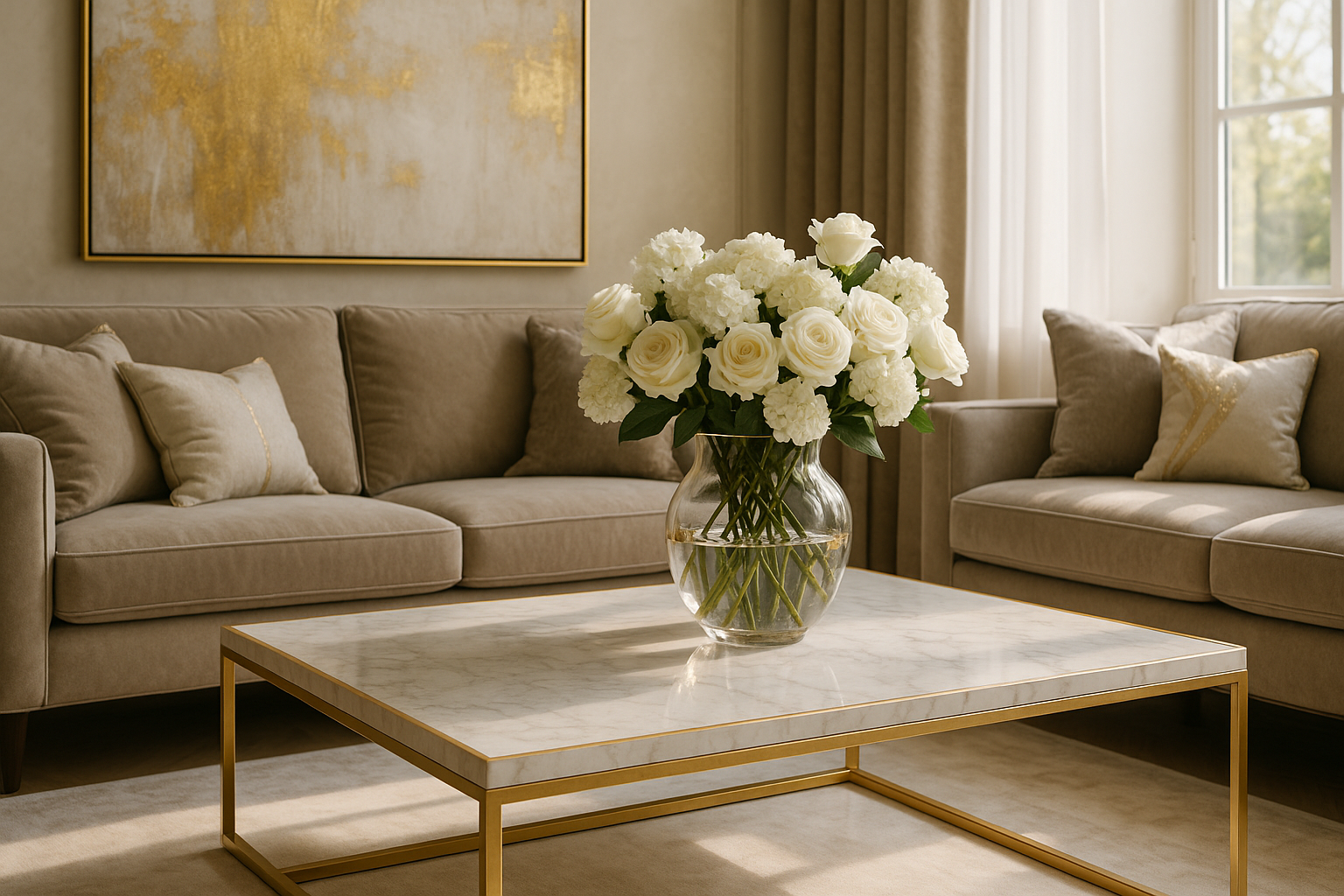
As we conclude our exploration of gold leaf décor, it’s clear that this timeless art form transforms ordinary spaces into reflections of elegance, light, and sophistication. Whether adorning furniture, walls, picture frames, or architectural details, gold leaf adds warmth and opulence that capture both history and modern refinement.
The true magic of gold leaf lies in its versatility and craftsmanship. 🌿💡 Applied with precision and sealed with care, it brings depth, texture, and luminosity to any surface — from subtle accents to bold statement pieces. Ultimately, mastering luxurious gold leaf décor is more than a design choice — it’s an artistic celebration of beauty, craftsmanship, and the golden balance between tradition and contemporary luxury.
