
Anúncios
Imagine holding a fragment of pottery, a small piece of an ancient world, and feeling the weight of history in your hands. These ceramic shards are not just remnants of broken vessels; they are keys to unlocking the mysteries of past civilizations. They whisper stories of daily life, trade, cultural exchanges, and even the rituals of people long gone. In the intricate world of archaeology, these fragments serve as a window into the vast tapestry of human history, allowing us to piece together the lives of those who walked the earth centuries before us.
The study of ceramic archaeological fragments, often overlooked in favor of more glamorous artifacts like gold or jewels, is a fascinating journey into the everyday lives of ancient peoples. 🏺 From the humble cooking pot to intricately decorated vases, each piece holds valuable insights. The colors, textures, and patterns on these shards speak volumes about technological advancements, societal changes, and even interactions between distant cultures. Understanding these fragments provides us with a clearer picture of how ancient civilizations thrived, adapted, and evolved over time.
Anúncios
But what exactly makes these ceramic fragments so significant? How do archaeologists use them to reconstruct the past? This article delves deep into the world of ceramic archaeology, exploring the methodologies and technologies that allow us to interpret these silent storytellers. We’ll journey through the processes of excavation, analysis, and interpretation, discovering how archaeologists identify the origins and purposes of these pieces.
We will also uncover the role of technology in modern archaeology, highlighting the groundbreaking tools and techniques that have revolutionized the study of ceramic artifacts. From 3D modeling to chemical analysis, technology is enhancing our ability to analyze these fragments with greater precision than ever before. Through these advancements, we are gaining unprecedented insights into ancient economies, trade routes, and cultural interactions.
Anúncios
Moreover, this exploration will take us across continents, from the sunbaked lands of Mesopotamia to the fertile banks of the Nile, and the bustling city-states of ancient Greece. Each region offers a unique perspective, enriched by its distinct ceramic traditions. As we traverse these historical landscapes, we’ll uncover how pottery styles and manufacturing techniques reveal not only local customs but also the broader currents of change and influence.
Alongside the technical aspects, we’ll delve into the human stories behind the shards. Who were the artisans crafting these objects? What can we learn about their lives, their communities, and their interactions with other cultures? By piecing together these ceramic clues, we gain a more nuanced understanding of human ingenuity and resilience throughout history.
This exploration of ceramic archaeological fragments is not just an academic exercise; it’s a journey through time that connects us to our shared past. It’s about recognizing the ingenuity and creativity of our ancestors, understanding their challenges and triumphs, and appreciating the legacy they’ve left behind in these humble yet profound pieces of pottery. Join us as we embark on this captivating journey, revealing the secrets of ancient civilizations one shard at a time. 🌍
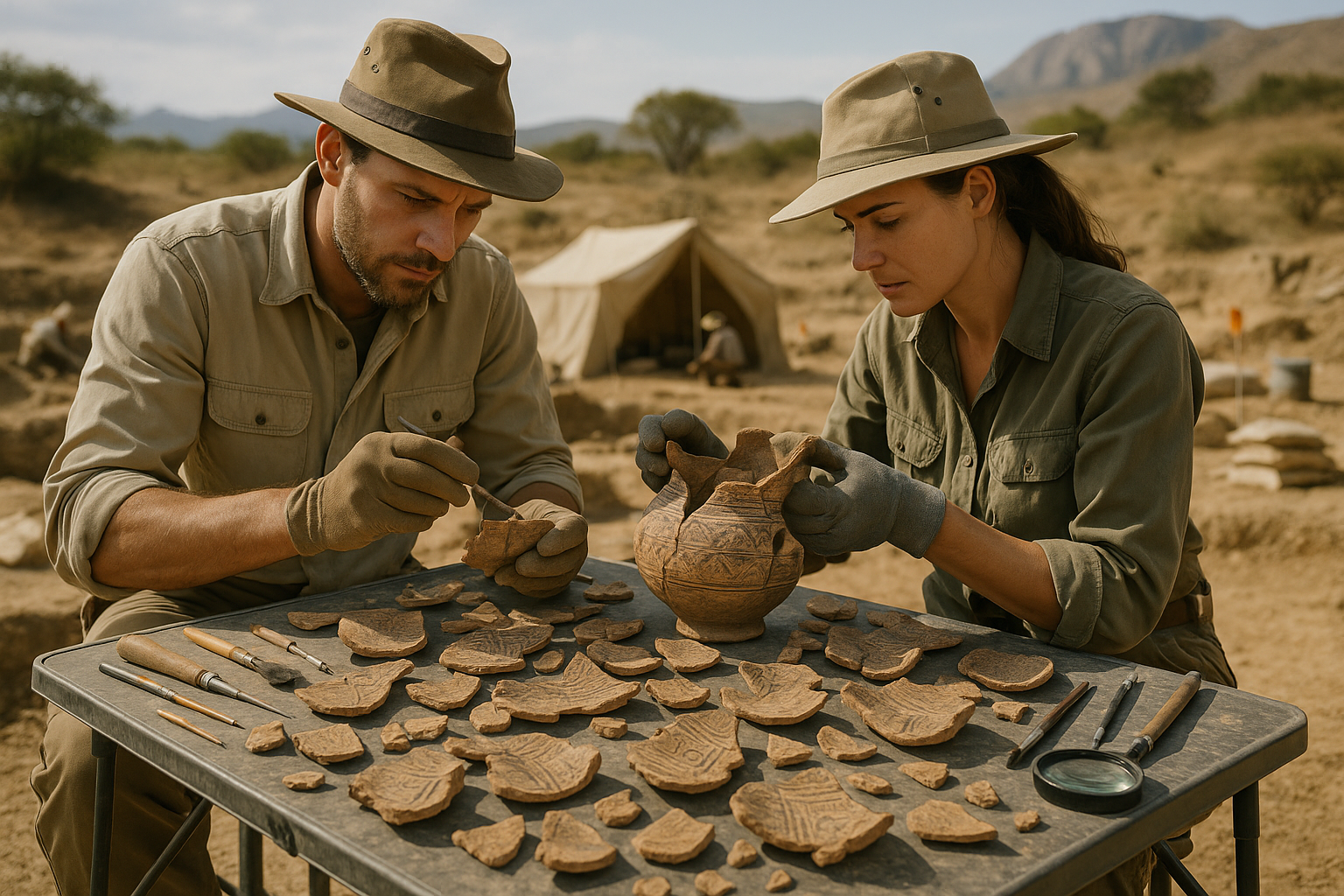
Conclusion: Embracing the Pieces of Our Past
As we reach the end of our exploration into the world of ceramic archaeological fragments, it becomes evident how these seemingly insignificant pieces serve as keys to unlocking the mysteries of ancient civilizations. Through meticulous analysis and innovative research methods, archaeologists have been able to reconstruct not just objects, but stories that speak of human creativity, trade, cultural exchange, and daily life.
🔍 Our journey began with understanding the importance of ceramics in archaeology. As we delved into the processes of excavation and preservation, we discovered how each fragment provides a narrative, helping us piece together the cultural and historical tapestry of the past. We also explored the advanced techniques used to analyze these artifacts, such as chemical composition studies and digital reconstruction, which have revolutionized our ability to interpret archaeological findings.
The significance of these ceramic fragments extends beyond mere historical curiosity. They remind us of the interconnectedness of human societies, showing evidence of trade routes, cultural exchanges, and technological advancements. Through these shards, we gain insights into the everyday lives of our ancestors, understanding their challenges, triumphs, and innovations. 🏺
As we reflect on the importance of preserving our archaeological heritage, it is crucial to emphasize the role of public engagement and education. By involving communities in archaeological projects and sharing discoveries through digital platforms, we ensure that the past remains a vibrant part of our present and future. We are reminded of the responsibility we hold in preserving these stories for generations to come.
🌟 We encourage you, our readers, to delve deeper into this fascinating subject. Whether through visiting museums, participating in archaeological digs, or engaging with online resources, there are numerous ways to connect with this rich field of study. Share your insights and newfound knowledge with others, and consider the impact that ancient civilizations have on our modern world. Together, we can foster a greater appreciation for the intricate history that shapes our collective identity.
In conclusion, the study of ceramic archaeological fragments is more than just a scholarly pursuit—it’s a journey through time that connects us to the very roots of human civilization. By continuing to support and engage with archaeological research, we honor the legacy of those who came before us and inspire future generations to appreciate the depth and breadth of human history. 🏺🌍
Thank you for joining us on this exploration. We invite you to share your thoughts and experiences in the comments below. Feel free to spread the knowledge by sharing this article with friends and family who might be intrigued by the wonders of archaeology. Let’s keep the conversation alive and ensure that the stories etched in clay and stone continue to resonate across time.
This conclusion provides a comprehensive wrap-up of the article’s main points, reinforces the importance of the topic, and encourages reader engagement and sharing. The use of emojis is subtle and intended to enhance the reader’s connection to the content.
