
Anúncios
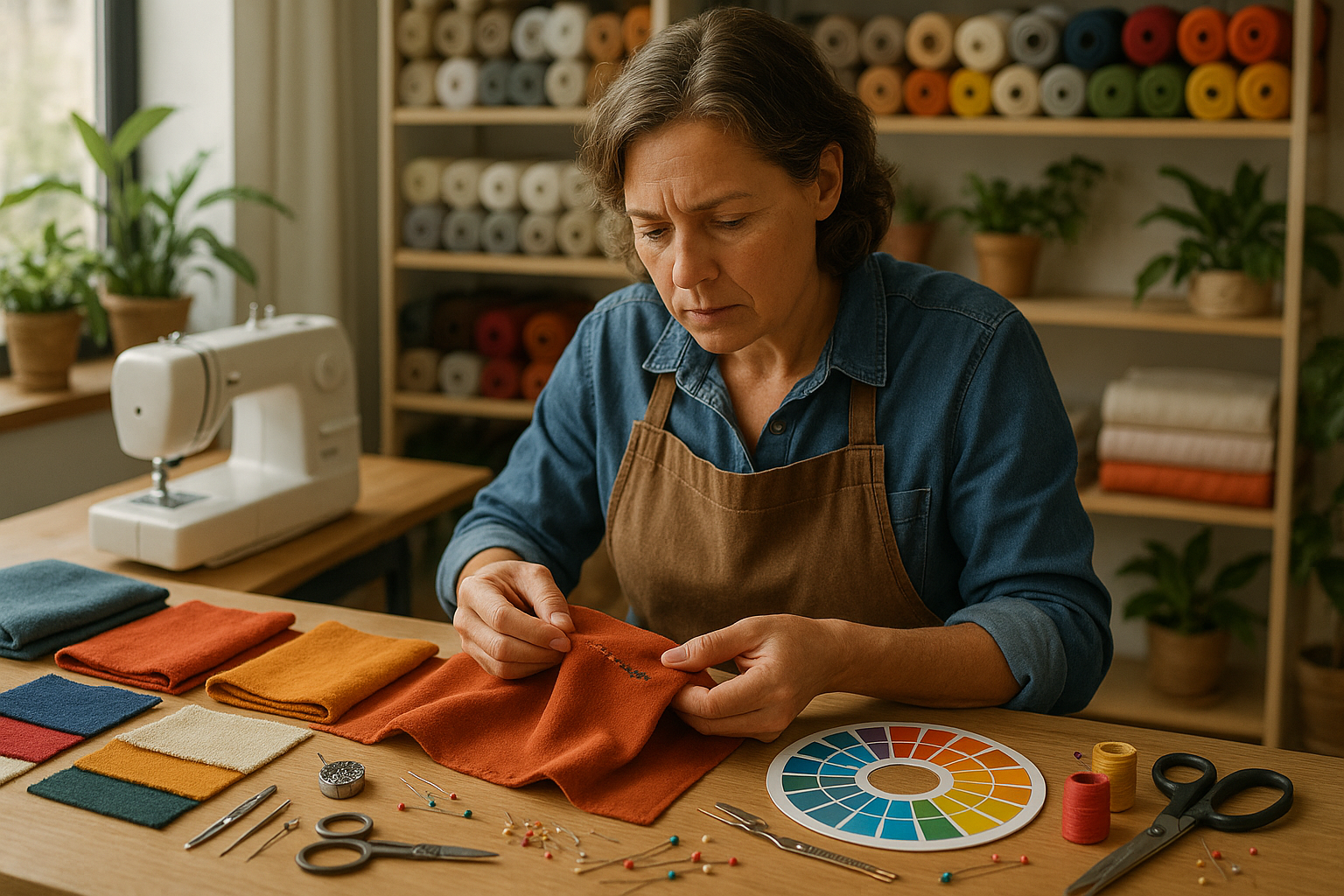
Color matching is a subtle art that can transform textile repairs from functional necessities into seamless works of art. 🌈 When you master this craft, you can bring a garment back to life, restore its beauty, and even enhance its original appeal. Imagine being able to match the exact shade of a beloved sweater to repair a moth hole or blend the perfect color to mend a cherished quilt. This skill isn’t just about aesthetics; it’s about precision, attention to detail, and the satisfaction of making something whole again.
In this article, we will dive deep into the fascinating world of color matching in textile repairs. Whether you’re a seasoned professional or an enthusiastic amateur, understanding how to accurately match colors can elevate your craftsmanship to new heights. We will explore the science behind color theory, delve into practical techniques, and provide tips for achieving perfect matches every time. By the end of this read, you will have a toolkit full of strategies and insights to tackle any textile challenge with confidence and skill.
Anúncios
Color theory forms the foundation of any successful color matching endeavor. It involves understanding how colors interact, how they can be manipulated, and how they are perceived by the human eye. We will explore the basics of color theory, including the color wheel, complementary colors, and the psychological impact of color. This foundational knowledge will equip you with the ability to make informed decisions when choosing colors for your repairs.
Once we have established a solid understanding of color theory, we will move on to practical techniques. Matching colors precisely often requires more than just a keen eye; it involves specific methods and tools that help in achieving accuracy. We will discuss various techniques, from using dye baths to create custom shades to employing digital tools and apps that aid in color selection. You will learn how to use these techniques to your advantage, whether you’re working with fabrics, threads, or other textile materials.
Anúncios
A critical aspect of mastering color matching is developing a keen sense of observation and a steady hand. We’ll offer tips on how to train your eye to notice subtle variations in hue and saturation. You will also learn how to use light and environment to your advantage, ensuring that your color matches remain consistent regardless of setting or time of day.
In addition to these technical skills, we will delve into the world of textile materials. Different fabrics and fibers can affect how colors appear and interact. We will cover how to choose the right materials for your repairs and how to ensure that your color matches remain true over time, even as the textile undergoes wear and tear.
One of the most satisfying aspects of mastering color matching is the ability to personalize and customize your repairs. 🎨 Whether you’re repairing a family heirloom or updating a thrift store find, the ability to match colors gives you creative freedom and allows you to add your unique touch. We will explore creative applications of color matching, from creating patchwork designs that incorporate perfectly matched colors to designing bespoke pieces that reflect your personal style.
By the time you finish this article, you will have a comprehensive understanding of the skills and knowledge needed to become a master of color matching in textile repairs. You will be equipped with practical techniques, insightful tips, and a newfound appreciation for the art and science of color. This journey into the world of color matching promises to enhance your textile projects, elevate your craftsmanship, and provide you with the tools to transform your repairs with precision and skill.
Join us as we embark on this colorful adventure, uncover the secrets of successful color matching, and discover the joy of bringing textiles back to their full, vibrant glory. Let’s transform the way we approach textile repairs, one perfectly matched color at a time! 🧵
Conclusion: Mastering the Art of Color Matching
As we wrap up this enlightening exploration into the art of color matching for textile repairs, it’s essential to reflect on the key insights and practical techniques we’ve covered. The journey to mastering color matching in textiles is not just about enhancing the aesthetic appeal of garments and fabrics; it is also about honing a skill that blends creativity, technical precision, and an understanding of color theory.
Throughout this article, we have delved into the foundational principles of color theory, including the intricacies of the color wheel and the significance of hue, saturation, and value. These elements form the backbone of any successful color matching endeavor, allowing us to identify and recreate shades with remarkable accuracy. By understanding these concepts, you’re better equipped to tackle complex textile repairs, ensuring that the final product is seamless and harmonious.
We’ve also highlighted the importance of selecting the right materials and tools. Whether you are using natural dyes, synthetic options, or innovative color-matching technologies, choosing the right medium can make all the difference. These tools are vital not only for achieving the desired shade but also for ensuring durability and quality in your repairs.
Moreover, we’ve discussed practical techniques for color matching, from conducting patch tests to utilizing advanced digital tools and apps designed to assist in identifying precise color matches. These strategies empower textile enthusiasts and professionals alike to achieve stunning results, reducing waste and promoting sustainability through extended garment life. 🌿
Beyond technical skills, mastering color matching is about developing an eye for detail and a passion for creativity. It’s a skill that encourages continuous learning and experimentation, urging you to push boundaries and explore new possibilities in textile design and repair.
As we conclude, it’s important to recognize the broader impact of mastering this art. Not only does it enhance your professional and personal projects, but it also contributes to a more sustainable fashion industry. By perfecting textile repairs, we contribute to a culture of recycling and upcycling, minimizing environmental impact and promoting conscious consumerism.
We invite you to take these insights and apply them in your next textile project. Whether you’re a seasoned professional or a budding enthusiast, the world of color matching holds endless opportunities for growth and innovation. We encourage you to and in this vibrant community, fostering a shared commitment to craftsmanship and sustainability.
Thank you for joining us on this colorful journey. We hope you feel inspired to transform your textile repairs with precision and skill. If you have any thoughts or experiences to share, please feel free to below or . Let’s continue to explore, learn, and create together. 🎨✨
—
Remember, this is a draft and should be personalized and supplemented with active links to resources or social platforms that align with your content strategy.
