
Anúncios
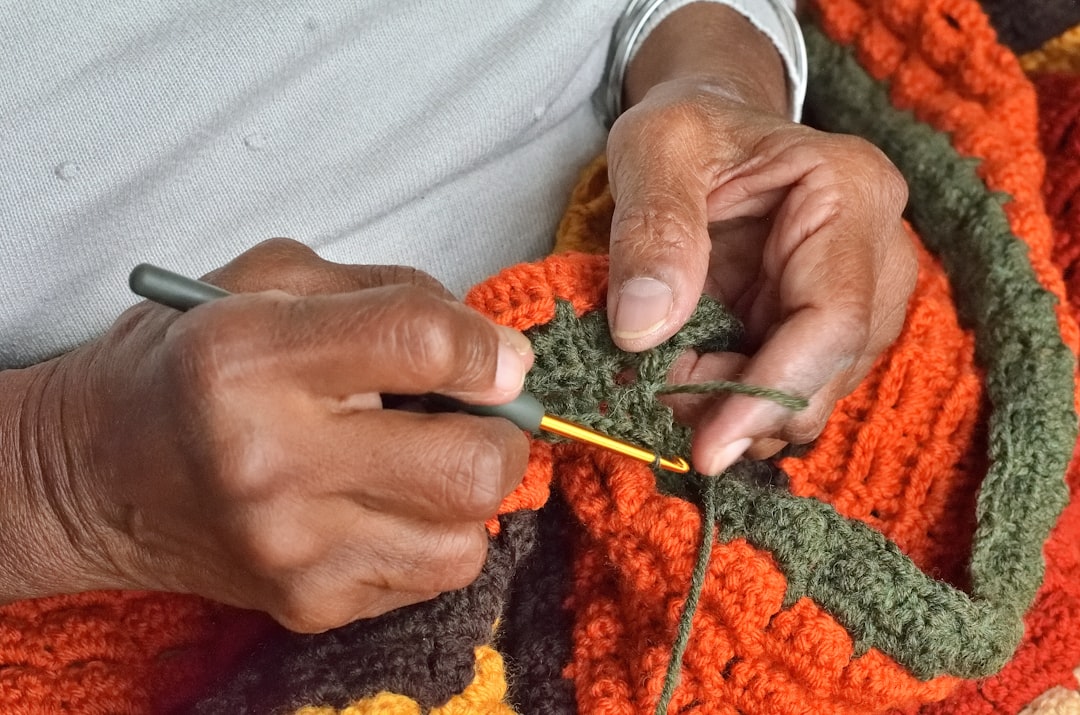
Learning to knit opens a world of creativity, relaxation, and handmade beauty that has captivated crafters for generations across every corner of the globe.
Anúncios
Whether you’re drawn to knitting for its meditative qualities, the satisfaction of creating something with your own hands, or simply the practical joy of making warm scarves and cozy blankets, this timeless craft offers something special for everyone. The rhythmic click of needles and the gradual transformation of yarn into fabric creates a uniquely rewarding experience that combines artistry with functionality.


Today’s knitting community is more vibrant and accessible than ever before, with countless resources, patterns, and supportive fellow crafters ready to welcome newcomers. From traditional techniques passed down through families to modern innovations and contemporary designs, knitting continues to evolve while maintaining its comforting, creative essence. Let’s explore everything you need to know to begin your knitting journey with confidence and enthusiasm.
🧶 Why Learning to Knit Is Worth Your Time
Anúncios
Knitting offers benefits that extend far beyond the finished projects you create. Research consistently shows that repetitive crafts like knitting can reduce stress, lower blood pressure, and promote mindfulness in ways similar to meditation. The focused attention required helps quiet racing thoughts and creates a calming rhythm that many knitters describe as therapeutic.
Beyond mental health benefits, knitting provides tangible rewards. You’ll develop a practical skill that allows you to create personalized gifts, customize your wardrobe, and produce items that simply can’t be found in stores. Hand-knitted pieces carry warmth in both temperature and sentiment, making them treasured possessions for recipients.
The knitting community itself represents another compelling reason to learn. Both online and in local groups, knitters share patterns, troubleshoot problems, and celebrate each other’s successes with genuine enthusiasm. This supportive environment makes learning easier and more enjoyable, transforming what could be a solitary hobby into a social connection.
🎯 Essential Supplies for Knitting Beginners
Starting your knitting journey doesn’t require a massive investment. In fact, beginning with just a few quality basics helps you focus on learning fundamental techniques without feeling overwhelmed by options. Your essential starter kit needs only three core components: needles, yarn, and scissors.
Choosing Your First Knitting Needles
For absolute beginners, medium-sized straight needles in US size 8 or 9 (5mm to 5.5mm) offer the best learning experience. These needles are substantial enough to handle comfortably but not so large that your stitches become unwieldy. Bamboo or wooden needles provide better grip than metal ones, preventing stitches from sliding off accidentally while you’re still developing muscle memory.
Straight needles measuring 10 to 14 inches work perfectly for scarves, dishcloths, and other beginner-friendly flat projects. As you progress, you’ll discover circular needles and double-pointed needles, but these can wait until you’ve mastered basic techniques.
Selecting Beginner-Friendly Yarn
Yarn selection dramatically impacts your learning experience. Medium-weight yarns labeled as “worsted weight” or “category 4” provide the ideal thickness for beginners. Choose light colors in solid shades rather than dark or variegated yarns, as you’ll be able to clearly see your stitches and more easily spot mistakes.
Acrylic or acrylic-blend yarns offer excellent practice material because they’re affordable, widely available, and forgiving. Save the luxury fibers like cashmere and alpaca for when you’ve developed confidence in your technique. Look for smooth yarns without texture, boucle, or fuzzy elements that can obscure individual stitches.
📚 Fundamental Knitting Techniques Every Beginner Must Master
Knitting builds upon just a few foundational techniques that, once learned, open endless creative possibilities. Patience during this learning phase pays dividends throughout your entire knitting journey. Most beginners can grasp these basics within a few practice sessions.
The Slip Knot and Casting On
Every knitting project begins with a slip knot and casting on, the process of creating your first row of stitches. The slip knot forms your anchor point on the needle. To create one, make a loop with your yarn, pull a second loop through it, and tighten it onto your needle while leaving it loose enough to slide.
The long-tail cast-on method is widely considered the most versatile technique for beginners. It creates an elastic, professional-looking edge suitable for most projects. This method requires estimating yarn length (approximately three times the width of your planned project), then using both the tail and working yarn to form stitches around your needle.

The Knit Stitch: Your Primary Building Block
The knit stitch forms the foundation of all knitting. Hold your needle with cast-on stitches in your left hand and your empty needle in your right hand. Insert the right needle through the first stitch from left to right, wrap your working yarn around the right needle counterclockwise, then pull this new loop through the original stitch and slide the old stitch off the left needle.
This four-step process (insert, wrap, pull through, slide off) becomes automatic with practice. Your first attempts may feel awkward and slow, but within an hour or two, you’ll notice your hands beginning to remember the motion. Knitting every stitch of every row creates garter stitch fabric, a bumpy, elastic texture perfect for beginner projects.
The Purl Stitch: Adding Versatility
Once you’re comfortable with knit stitches, learning the purl stitch doubles your pattern possibilities. Purling is essentially the reverse of knitting. With yarn held in front of your work, insert your right needle from right to left through the first stitch, wrap yarn counterclockwise around the right needle, pull through, and slide off.
Alternating rows of knit and purl stitches creates stockinette stitch, the smooth, V-patterned fabric most people associate with sweaters and knitted garments. Combining knit and purl stitches within the same row opens up ribbing, seed stitch, and countless textured patterns.
Binding Off: Finishing Your Project
Binding off (also called casting off) secures your stitches so your project doesn’t unravel. Knit two stitches, then use your left needle to lift the first stitch over the second and off the right needle. Knit another stitch and repeat the process across your row until one stitch remains. Cut your yarn leaving a six-inch tail, pull it through the final stitch, and tighten to secure.
🎨 Your First Knitting Projects: Starting Simple
Choosing appropriate first projects sets you up for success and maintains motivation. Resist the temptation to immediately tackle complex items like sweaters or intricate lace shawls. Instead, select projects that reinforce fundamental techniques while producing useful, satisfying results.
The Classic Dishcloth
A simple square dishcloth makes an ideal first project. Cast on 30-40 stitches and knit every row until you have a square, then bind off. This project teaches tension control, helps you practice the basic knit stitch until it becomes second nature, and results in a practical item you can actually use. Make several in different colors to build confidence before moving forward.
The Beginner-Friendly Scarf
Scarves represent the quintessential beginner knitting project for good reason. They’re essentially long rectangles requiring no shaping, sizing concerns, or complicated techniques. Cast on enough stitches for your desired width (typically 20-30 stitches for worsted weight yarn), then knit until your scarf reaches your preferred length.
You can create visual interest by alternating colors every few rows, incorporating simple stripes, or experimenting with garter stitch, stockinette, or ribbing patterns. Scarves also provide excellent practice for maintaining consistent tension over extended periods.
Simple Textured Patterns
Once basic knit and purl stitches feel comfortable, try simple textured patterns like seed stitch or ribbing. Seed stitch alternates knit and purl stitches both across rows and between rows, creating an attractive bumpy texture. Basic ribbing (knit 2, purl 2) creates elastic fabric perfect for hat brims, cuffs, and cowls.
🔧 Common Beginner Mistakes and How to Fix Them
Every knitter makes mistakes, especially when learning. Understanding common errors helps you recognize them quickly and develop problem-solving skills that serve you throughout your knitting journey. Remember that even advanced knitters regularly need to fix mistakes—it’s simply part of the process.
Tension Troubles
Inconsistent tension creates uneven fabric with some stitches tighter than others. Beginners often grip needles and yarn too tightly from nervousness, resulting in difficult-to-work stitches and hand fatigue. Consciously relax your hands and shoulders while knitting. Your stitches should slide easily along the needles without falling off unexpectedly.
Practice improves tension naturally over time. If your fabric looks irregular in your first projects, don’t worry—keep practicing, and your stitches will gradually become more uniform as muscle memory develops.
Accidentally Adding or Losing Stitches
Mysteriously gaining or losing stitches frustrates many beginners. Extra stitches often appear when yarn accidentally wraps around your needle, creating unintended yarn-overs. Lost stitches typically result from dropping them off the needle or accidentally knitting two stitches together.
Count your stitches at the end of each row until you develop consistency. If your count changes, examine your work to identify where the error occurred. Learning to read your knitting helps you spot these mistakes immediately rather than discovering them several rows later.
Twisted Stitches
Twisted stitches occur when you don’t mount stitches correctly on your needle or insert your needle into the stitch incorrectly. The leading leg of each stitch should sit on the front of your left needle. When knitting, insert your right needle through the stitch from left to right in a scooping motion.
📱 Modern Resources for Learning to Knit
Today’s knitting learners enjoy unprecedented access to educational resources. While traditional in-person instruction remains valuable, digital tools and online communities provide instant support, visual demonstrations, and pattern libraries that earlier generations could only dream about accessing.
Video Tutorials and Online Classes
Video tutorials allow you to watch techniques demonstrated from multiple angles, pause for practice, and replay sections until movements become clear. YouTube hosts thousands of free knitting tutorials covering everything from absolute basics to advanced techniques. Look for instructors whose teaching style resonates with you and whose video quality allows clear viewing of hand positions and yarn manipulation.
Structured online courses through platforms like Craftsy or Skillshare provide comprehensive curriculums that progress logically through skills. These often include community features where you can ask questions and share progress with fellow learners.
Knitting Apps and Digital Tools
Mobile applications have revolutionized how knitters organize projects, track progress, and access patterns. Digital row counters prevent lost count during complex patterns, while pattern libraries put thousands of designs at your fingertips. Some apps include video tutorials, stitch dictionaries, and social features that connect you with other knitters worldwide.
Specialized knitting apps help you calculate yarn requirements, convert measurements between metric and imperial systems, and even visualize how different color combinations will look in your chosen pattern before you begin knitting.
Local Knitting Groups and Yarn Shops
Despite digital convenience, in-person learning offers unique benefits. Local yarn shops frequently host beginner classes, knit-alongs, and open knitting times where crafters gather to work on projects together. The hands-on guidance available in these settings helps troubleshoot problems that can be difficult to diagnose remotely.
Knitting groups create accountability, friendship, and inspiration. Seeing others’ projects sparks ideas, while experienced knitters generously share tips and solutions accumulated through years of practice.
🌟 Building Your Skills Beyond the Basics
After mastering fundamental techniques, you’ll naturally want to expand your capabilities. Progress at your own pace, challenging yourself with new techniques when current projects feel comfortable rather than rushing ahead before you’re ready. Each new skill builds upon previous knowledge, creating a solid foundation for increasingly complex work.
Reading Knitting Patterns
Knitting patterns use specialized abbreviations and formatting that may initially seem like a foreign language. Common abbreviations include K for knit, P for purl, CO for cast on, and BO for bind off. Asterisks indicate repeated sections, while brackets group stitches worked together.
Start with clearly written beginner patterns that include detailed instructions rather than advanced patterns using only shorthand. As you work through several patterns, the abbreviations and formatting conventions become intuitive, and you’ll soon read patterns as easily as regular text.
Shaping: Increases and Decreases
Creating shaped garments requires learning to increase and decrease stitches. Increases add stitches to your row, while decreases remove them, allowing you to shape curves, necklines, sleeves, and fitted silhouettes. Basic increases include yarn-overs and knit-front-and-back, while common decreases include knit-two-together and slip-slip-knit.
Practice these techniques on small swatches before incorporating them into projects. Understanding how different increase and decrease methods create different visual effects helps you choose the best technique for each situation.
Knitting in the Round
Circular knitting eliminates seaming by creating tubular fabric perfect for hats, socks, and seamless sweaters. This technique uses circular needles or double-pointed needles to knit continuous rounds rather than back-and-forth rows. Knitting in the round changes how you create stockinette stitch—you knit every round rather than alternating knit and purl rows.
💡 Tips for Maintaining Motivation and Progress
Learning any new skill requires persistence through challenging moments. Knitting rewards consistent practice more than marathon sessions, so regular short sessions often produce better results than sporadic intensive practice. Building sustainable habits ensures continuous improvement and prevents burnout.
Set Realistic Goals and Celebrate Milestones
Define specific, achievable goals for your knitting journey. Perhaps you want to complete one dishcloth this month, learn the purl stitch by next week, or finish a scarf before winter arrives. Breaking larger ambitions into smaller milestones creates a sense of progress and accomplishment that fuels continued effort.
Celebrate completions regardless of perceived imperfections. Your first projects may have uneven edges, dropped stitches, or irregular tension, but they represent genuine achievement and learning. Many knitters keep their first projects as reminders of how far they’ve progressed.
Join the Knitting Community
Connecting with other knitters provides encouragement, inspiration, and practical help. Online communities on platforms like Ravelry, Instagram, and Reddit host millions of knitters sharing projects, asking questions, and offering support. Local knitting groups provide face-to-face interaction and hands-on assistance when you encounter challenging techniques.
Don’t hesitate to ask questions or seek help. The knitting community famously welcomes beginners with genuine enthusiasm, remembering their own learning experiences and eager to help others succeed.
Keep a Knitting Journal
Documenting your knitting journey creates a valuable reference and motivational tool. Record which needles and yarn you used for each project, note modifications you made to patterns, and write observations about techniques that worked well or caused difficulties. Photographs track your progress visually, revealing improvements that may not be obvious day-to-day.
Years later, you’ll treasure these records as you see how far you’ve come and remember the joy of those early learning experiences.
🎁 The Joy of Creating Handmade Gifts
Few gifts carry more meaning than something handmade specifically for the recipient. Knitted items embody time, thought, and care in tangible form. As your skills develop, you’ll discover the special satisfaction of creating personalized gifts that perfectly suit each person’s preferences and needs.
Baby blankets, warm scarves, cozy hats, and soft mittens make treasured gifts that recipients use for years while remembering your thoughtfulness. Hand-knitted items often become family heirlooms passed down through generations, carrying stories and memories along with their practical warmth.
The process of choosing colors and patterns with specific people in mind adds another dimension of care to gift-giving. You’ll find yourself noticing favorite colors, style preferences, and practical needs in new ways as you consider potential knitting projects for friends and family.
🌈 Exploring Color and Design in Your Knitting
As technical skills become comfortable, creative expression takes center stage. Color work, from simple stripes to complex Fair Isle and intarsia designs, adds visual interest and personal style to your projects. Even basic pieces transform into artistic statements through thoughtful color selection.
Begin experimenting with color by alternating solid colors in simple stripes. This requires no new techniques but dramatically changes your project’s appearance. Progress to carrying two colors in the same row with techniques like Fair Isle knitting, which creates beautiful geometric patterns traditional in Scandinavian sweaters.
Color theory principles apply to knitting just as they do to other visual arts. Complementary colors create vibrant contrast, while analogous colors produce harmonious blends. Neutral backgrounds make bright accent colors pop, while tonal variations create subtle sophistication.
🧘 Knitting as Meditation and Self-Care
Beyond creating beautiful objects, knitting offers profound psychological and emotional benefits. The repetitive motions and focused attention required create a meditative state that calms anxiety, reduces stress, and promotes overall wellbeing. Many knitters describe entering a flow state where worries fade and time passes unnoticed.
Research supports these subjective experiences. Studies show that repetitive crafts like knitting activate the same brain regions as meditation, triggering relaxation responses that lower heart rate and blood pressure. The sense of accomplishment from completing projects boosts confidence and mood.
Incorporating knitting into your self-care routine provides healthy stress relief and creative outlet. Even fifteen minutes of knitting can shift your mental state, offering a productive break from screen time and mental demands.
🔄 Embracing Mistakes as Learning Opportunities
Perfect knitting doesn’t exist, and pursuing it creates unnecessary frustration. Every knitter, regardless of experience level, makes mistakes. The difference lies in perspective—experienced knitters view mistakes as opportunities to develop problem-solving skills and deepen understanding rather than as failures.
When you discover an error, take a breath and assess the situation. Can you continue and incorporate the mistake into your design? Does it affect functionality or just aesthetics? Sometimes “mistakes” create unexpected beauty or unique character that makes your piece more interesting than perfect execution would have.
Learning to “tink” (knit backward, unknitting stitch by stitch) and “frog” (rip out multiple rows) gives you confidence to fix errors without fear. These skills liberate you to take creative risks knowing you can always backtrack if needed.
✨ Your Knitting Journey Starts Now
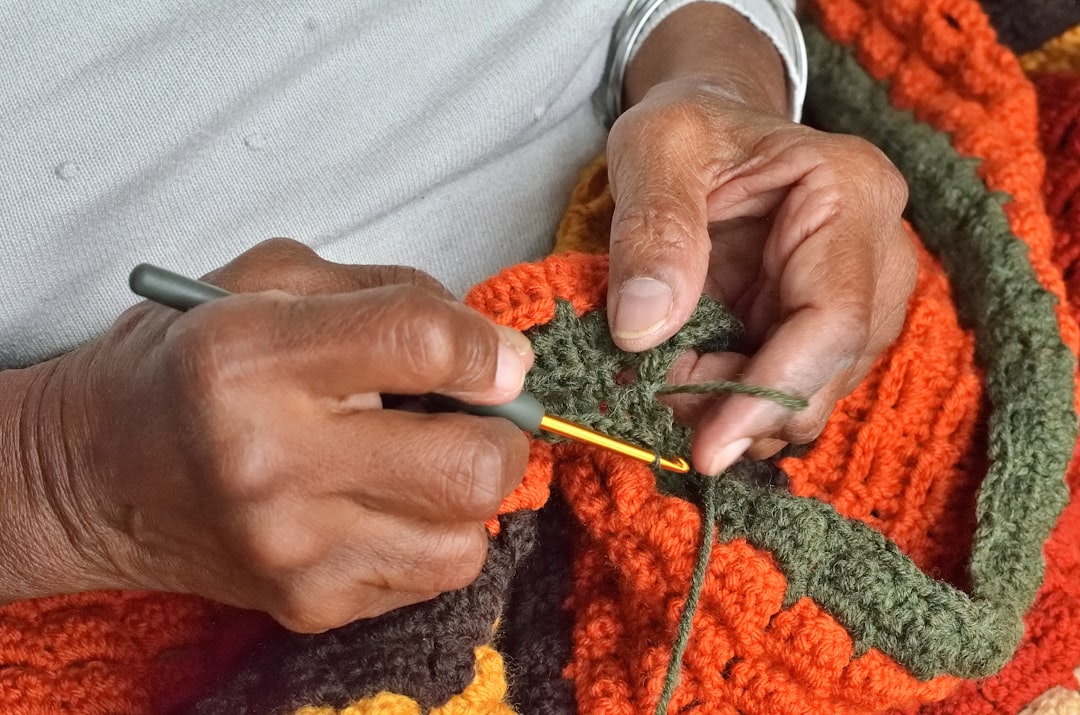
Learning to knit connects you to an ancient craft while providing modern benefits of creativity, relaxation, and self-expression. The journey from awkward first stitches to confident execution of complex patterns happens gradually, stitch by stitch, row by row. Every accomplished knitter began exactly where you are now, fumbling with needles and wondering if they’d ever achieve the fluidity they admired in others.
Your unique knitting path will unfold according to your interests, goals, and available time. Some knitters focus on practical items for daily use, others pursue artistic expression through lace and colorwork, while many simply enjoy the meditative process itself. All approaches are equally valid and rewarding.
The best time to start knitting is now. Gather basic supplies, cast on your first stitches, and embrace the learning process with patience and curiosity. Welcome to a worldwide community of crafters who understand the magic of transforming simple yarn into something beautiful and meaningful. Your knitting adventure awaits, filled with endless possibilities and the quiet satisfaction of creating something truly special with your own two hands.
