
Anúncios
Learning to play the piano online has never been more accessible, engaging, or effective than it is today. Whether you’re a complete beginner or looking to refine your skills, digital platforms offer flexible, affordable paths to musical mastery.


The traditional route of piano lessons—rigid schedules, expensive instructors, and limited flexibility—has been transformed by technology. Online piano education brings world-class instruction directly to your fingertips, allowing you to learn at your own pace, in your own space, and according to your personal goals.
From interactive apps that listen to your playing in real-time to comprehensive video courses taught by professional pianists, the online learning ecosystem offers something for everyone. The best part? You can start today, regardless of your age, background, or musical experience.
🎹 Why Online Piano Learning Works So Well
Online piano education isn’t just a convenient alternative—it’s often more effective than traditional methods. The combination of immediate feedback, gamified progress tracking, and unlimited practice opportunities creates an ideal learning environment.
Unlike conventional lessons where you might feel pressured during your weekly appointment, online platforms allow you to repeat exercises as many times as needed. This removes performance anxiety and lets you focus purely on skill development.
Modern technology can detect the notes you play through your device’s microphone or MIDI connection, providing instant corrections and encouragement. This real-time feedback loop accelerates learning dramatically compared to waiting a full week between lessons to discover you’ve been practicing something incorrectly.
📱 Choosing the Right Platform for Your Journey
The digital landscape offers countless piano learning apps and websites, each with unique approaches and features. Selecting the right platform depends on your learning style, musical goals, and commitment level.
Some platforms focus heavily on classical training with strict technique development, while others emphasize popular music and chord-based playing. Many apps incorporate game-like elements that make practice feel less like work and more like entertainment.
When evaluating options, consider factors like song library size, teaching methodology, progress tracking capabilities, and whether the platform offers structured curricula or more exploratory learning paths. Most quality platforms offer free trials, allowing you to test multiple options before committing financially.
🎼 Understanding the Fundamentals Through Digital Instruction
Every piano journey begins with fundamentals—proper hand positioning, finger numbering, note reading, and rhythm understanding. Online courses excel at breaking these essentials down into digestible, visual lessons.
High-quality video demonstrations show exactly how fingers should move, how hands should curve, and how body posture affects playing. Many platforms use split-screen views that simultaneously display the keyboard, sheet music, and instructor’s hands, creating a comprehensive learning experience.
Interactive exercises reinforce these basics through repetition with variation. Rather than playing the same scale monotonously, you might encounter rhythmic variations, different octaves, and musical contexts that keep practice engaging while building muscle memory.
🎵 Building Your Repertoire Song by Song
One of the greatest motivations for learning piano is playing songs you love. Online platforms understand this and typically offer extensive song libraries spanning classical masterpieces, pop hits, movie themes, and everything in between.
Most apps break songs into manageable sections, allowing you to master small portions before connecting them into complete pieces. This chunking method prevents overwhelm and provides regular achievement milestones that maintain motivation.
Progressive difficulty systems ensure you’re always challenged but never frustrated. As your skills develop, the platform introduces more complex pieces that stretch your abilities while remaining within reach with focused practice.

⏰ Creating an Effective Practice Routine
Consistency trumps intensity when learning piano. Practicing for twenty minutes daily produces better results than cramming two hours once weekly. Online learning platforms make maintaining this consistency easier than ever.
Many apps send gentle reminders at times you specify, helping establish practice as a daily habit. Progress dashboards visualize your streak, creating positive reinforcement that encourages continued commitment.
Structure your practice sessions strategically: begin with finger exercises or scales for warm-up, dedicate the middle portion to learning new material, and finish by playing through songs you’ve already mastered. This balanced approach develops technique while maintaining enjoyment.
🎹 Equipment Essentials for Online Learning
While you can begin learning piano basics on almost any keyboard, certain equipment considerations enhance the online learning experience significantly.
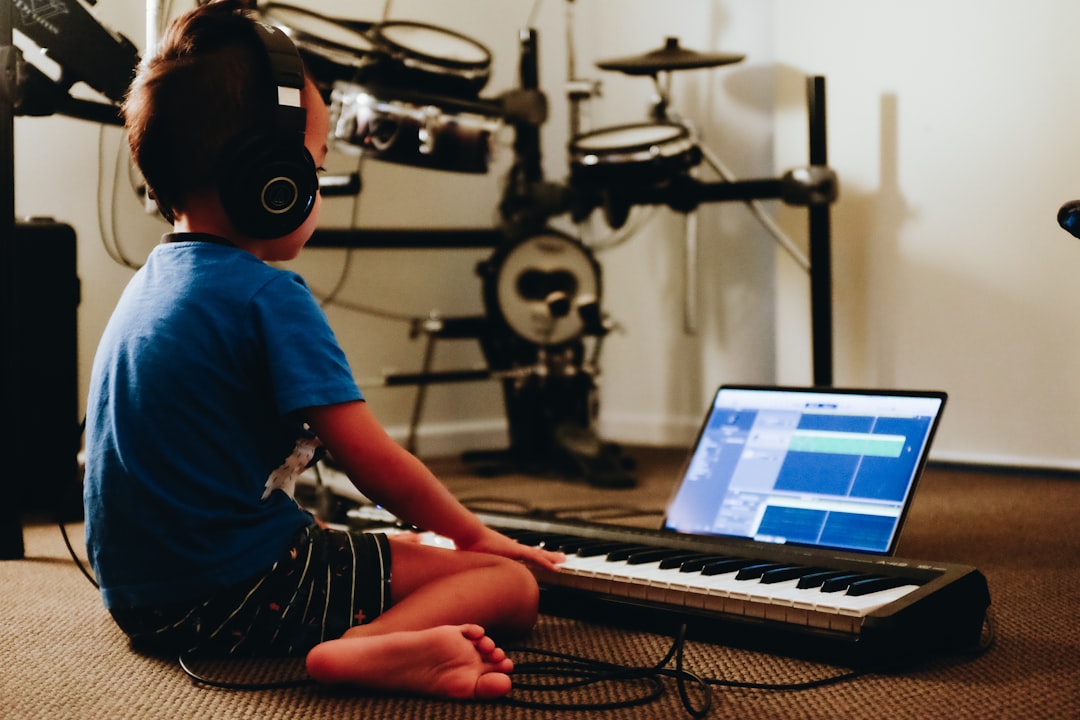
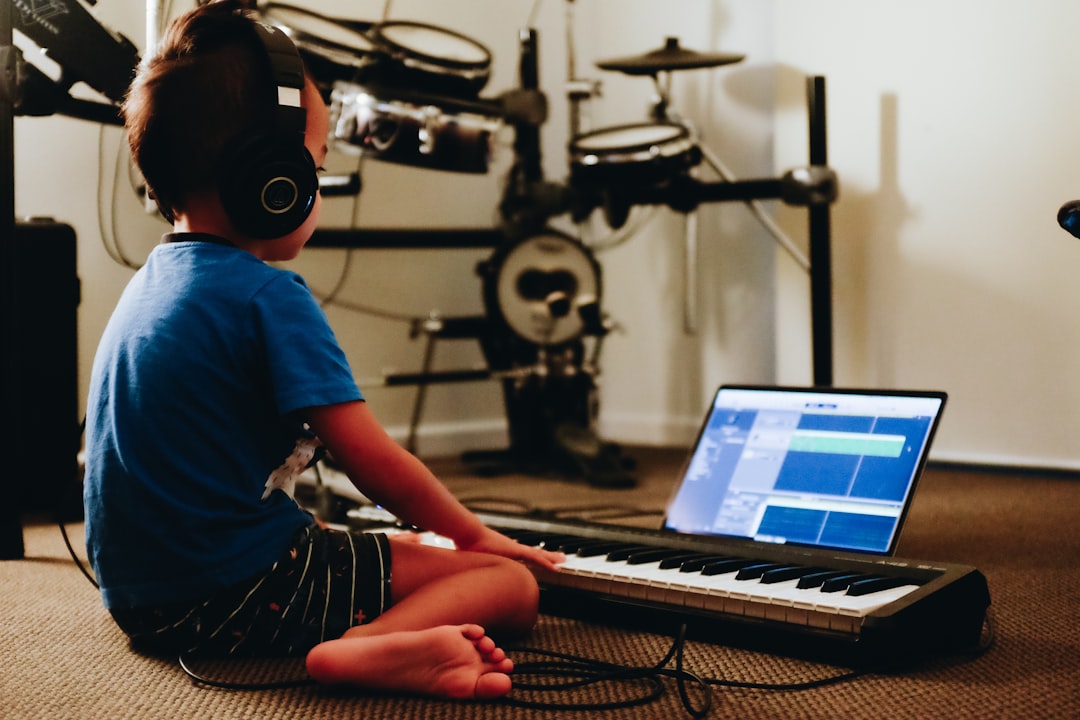
At minimum, you need a keyboard with at least 61 keys, though 88-key full-size keyboards provide the complete piano range and are ideal for serious learners. Weighted or semi-weighted keys better simulate acoustic piano feel and help develop proper finger strength.
For maximum platform functionality, consider keyboards with MIDI connectivity, which allows direct digital communication between your instrument and learning app. This provides more accurate note detection than microphone-based listening.
A stable keyboard stand, comfortable bench at proper height, and good lighting complete your practice space. Many learners also benefit from headphones, especially when practicing in shared living spaces or during early morning or late evening hours.
📚 Reading Music Versus Playing by Ear
The traditional music education debate—should you learn to read sheet music or develop playing by ear—finds middle ground in online platforms that often teach both approaches simultaneously.
Reading music notation unlocks vast repertoire and helps you understand musical structure deeply. Most comprehensive piano apps include progressive sight-reading exercises that gradually introduce musical symbols, note values, and expression markings.
Playing by ear develops intuitive musicality and improvisation skills. Many platforms include chord-based lessons that teach you to recognize progressions and embellish melodies, skills particularly valuable for contemporary music styles.
The most effective approach incorporates both methods. Reading music provides structure and access to complex pieces, while ear training develops musical instinct and creative expression. Online platforms make integrating these complementary skills seamless.
🚀 Overcoming Common Beginner Challenges
Every pianist encounters obstacles during their learning journey. Understanding these common challenges and their solutions helps you persist when progress feels slow.
Hand independence—playing different rhythms or melodies simultaneously with each hand—frustrates many beginners. Online platforms address this through isolated hand exercises, gradually increasing complexity as coordination develops. Practice each hand separately before attempting hands together.
Rhythm accuracy poses another frequent challenge. Many apps include metronome features and rhythm-specific exercises that develop steady timing. Start slowly, prioritizing accuracy over speed, then gradually increase tempo as patterns become comfortable.
Finger flexibility and strength develop over time. Avoid forcing movements or practicing through pain. Short, frequent practice sessions with proper technique build capability more effectively than marathon sessions that risk strain or injury.
🎼 Understanding Music Theory Through Practical Application
Music theory might sound intimidating, but online platforms present these concepts within practical playing contexts, making abstract ideas concrete and immediately applicable.
Rather than memorizing theory rules divorced from music-making, you learn scales while playing pieces that use them. Chord progressions make sense because you hear and feel how they create musical movement and emotion.
Many apps gamify theory learning through quizzes, challenges, and visual representations that make understanding intervals, key signatures, and chord construction intuitive rather than academic. This experiential approach to theory accelerates comprehension and retention.
🌟 Setting Realistic Goals and Tracking Progress
Clear, achievable goals transform piano learning from aimless practice into purposeful skill development. Online platforms excel at helping you set benchmarks and celebrate achievements along your journey.
Start with specific, short-term objectives: master a particular song, complete a technique module, or practice consistently for two weeks. These small victories build confidence and momentum toward larger aspirations.
Most quality apps include progress tracking features that show skill development over time. Reviewing recordings of yourself playing the same piece weeks apart provides powerful motivation when improvement feels imperceptible day-to-day.
Remember that learning piano is a marathon, not a sprint. Some skills develop quickly while others require patient, persistent practice. Trust the process, celebrate small wins, and maintain perspective during inevitable plateaus.
👥 Connecting with a Community of Learners
While online learning happens independently, it doesn’t mean you must be isolated. Many platforms foster communities where learners share experiences, encouragement, and advice.
Discussion forums, social media groups, and in-app communities allow you to ask questions, showcase progress, and find inspiration from others at various stages of their piano journeys. These connections provide accountability and motivation beyond what solitary practice offers.
Some platforms organize virtual recitals or challenges where learners submit performances. Participating in these events, even from home, recreates the performance experience that develops confidence and stage presence.
🎯 Transitioning from Digital to Acoustic Pianos
Many online learners begin on digital keyboards before eventually acquiring acoustic pianos. Understanding this transition helps you make informed decisions about when and whether to upgrade instruments.
Digital keyboards offer practical advantages: affordability, portability, volume control, and features like recording and sound variety. They’re perfect for beginning and intermediate learners focusing on fundamental skill development.
Acoustic pianos provide nuanced touch sensitivity, richer harmonics, and the authentic experience that serious classical players eventually desire. If your budget and space allow, an acoustic piano offers inspirational qualities that enhance advanced learning.
The good news? Skills transfer completely between instruments. Everything you learn online on digital keyboards applies directly to acoustic pianos. Your choice of instrument doesn’t limit your learning—it simply reflects your current circumstances and goals.
💡 Maintaining Motivation for Long-Term Success
The initial excitement of learning piano eventually gives way to the reality of consistent practice. Maintaining motivation during this transition determines whether you become a proficient pianist or someone who “used to play a little.”
Variety prevents boredom. Mix technical exercises with fun songs, classical pieces with contemporary hits, and structured lessons with free exploration. This diversity keeps practice sessions fresh and engaging.
Reward yourself for milestone achievements. Completing a challenging piece or mastering a difficult technique deserves celebration, whether that’s sharing your accomplishment with friends or treating yourself to something special.
Remember why you started. Return mentally to the excitement you felt when deciding to learn piano. Visualize yourself playing confidently, perhaps entertaining at gatherings or simply enjoying private musical expression. These images reignite enthusiasm during motivation dips.
🌈 Embracing Your Unique Musical Journey
Your piano learning path is uniquely yours. Comparison with others—whether fellow students or professional players—serves no constructive purpose and often undermines confidence.
Some people progress quickly through certain skills while struggling with others. Your pace, challenges, and strengths will differ from everyone else’s, and that’s perfectly fine. Focus on being better than you were yesterday, not better than someone else.
Online learning’s flexibility means you can customize your education to match your interests and goals. If you dream of playing jazz improvisation, dedicate time to that. If classical repertoire calls to you, pursue it passionately. Your musical voice develops through following your authentic interests.
🎼 The Lifelong Gift of Musical Expression
Learning piano online isn’t merely acquiring a skill—it’s unlocking a lifelong source of joy, creativity, and personal expression. The piano becomes a companion through life’s various seasons, offering comfort during difficult times and amplifying joy during celebrations.
Music engages your brain uniquely, strengthening neural connections, improving memory, and enhancing coordination. These cognitive benefits extend far beyond the musical realm, positively impacting various life areas.
The confidence gained from progressing through challenges, the discipline developed through consistent practice, and the creative outlet for emotional expression—these gifts accompany you long after you close the keyboard lid.
Whether you aspire to perform professionally, entertain family and friends, or simply enjoy private musical moments, online piano education provides accessible, effective pathways to achieving your goals. The piano awaits, the resources exist, and the only requirement is your commitment to begin.
Today represents the perfect moment to start your musical journey. The first note you play marks the beginning of a rewarding adventure that will enrich your life in countless ways. Download a quality learning app, sit at your keyboard, and discover the pianist within you waiting to emerge. 🎹✨
