
Anúncios
Learning to sing karaoke online has never been easier, opening doors to vocal improvement, entertainment, and confidence building—all from the comfort of your home.


Online karaoke platforms have transformed how people practice singing, offering tools that rival professional studios. Whether you’re a shower singer ready to take the next step or someone who’s always dreamed of performing, the digital world has made vocal training accessible to everyone.
The beauty of learning karaoke online lies in its flexibility and variety. You can practice at 2 AM in your pajamas, experiment with different genres, receive instant feedback, and even connect with a global community of fellow singers. This comprehensive guide will walk you through everything you need to become a confident online karaoke performer. 🎤
Why Online Karaoke Is Perfect for Vocal Development
Traditional singing lessons can be expensive and time-consuming. Online karaoke platforms democratize vocal training by providing instant access to thousands of songs, backing tracks, and performance tools. These platforms use sophisticated audio technology to help you hear yourself clearly, adjust pitch, and track your progress over time.
Many singers don’t realize that karaoke is more than entertainment—it’s a legitimate practice method. Professional vocalists use backing tracks to rehearse performances, test new material, and maintain their skills between gigs. When you sing karaoke online, you’re essentially doing what the pros do, but with added features like pitch correction, vocal effects, and community feedback.
The psychological benefits shouldn’t be overlooked either. Singing releases endorphins, reduces stress, and builds confidence. Online karaoke removes the intimidation factor of live audiences while still providing a platform to share your voice when you’re ready.
Choosing the Right Online Karaoke Platform 🎵
Not all karaoke apps and websites are created equal. The best platforms combine extensive song libraries, high-quality audio, useful vocal tools, and engaged communities. When evaluating options, consider the music genres available, audio quality, recording features, and whether the platform offers vocal enhancement tools.
StarMaker stands out as a comprehensive solution that brings studio-quality karaoke to your smartphone or tablet. With millions of songs spanning every imaginable genre, professional audio effects, and a supportive global community, it provides everything beginners and experienced singers need to develop their craft.
The platform’s strength lies in its balance between accessibility and sophistication. Beginners appreciate the intuitive interface and forgiving pitch correction, while advanced singers value the precise audio controls and high-fidelity recordings. The social features add motivation—nothing pushes you to improve quite like positive feedback from fellow music lovers.
Essential Features to Look For
When selecting your online karaoke platform, prioritize these capabilities:
- Extensive song catalog: Access to current hits, classic favorites, and international music ensures you’ll never run out of material to practice
- Audio effects and filters: Reverb, echo, and pitch correction help you sound your best while learning proper technique
- Recording quality: High-definition audio capture allows you to hear your progress and share polished performances
- Lyrics display: Synchronized, easy-to-read lyrics keep you on track, especially when learning new songs
- Community features: Comments, duets, and collaboration options provide motivation and constructive feedback
- Practice modes: Options to adjust tempo, key, and vocal prominence help you learn at your own pace
Setting Up Your Home Karaoke Studio
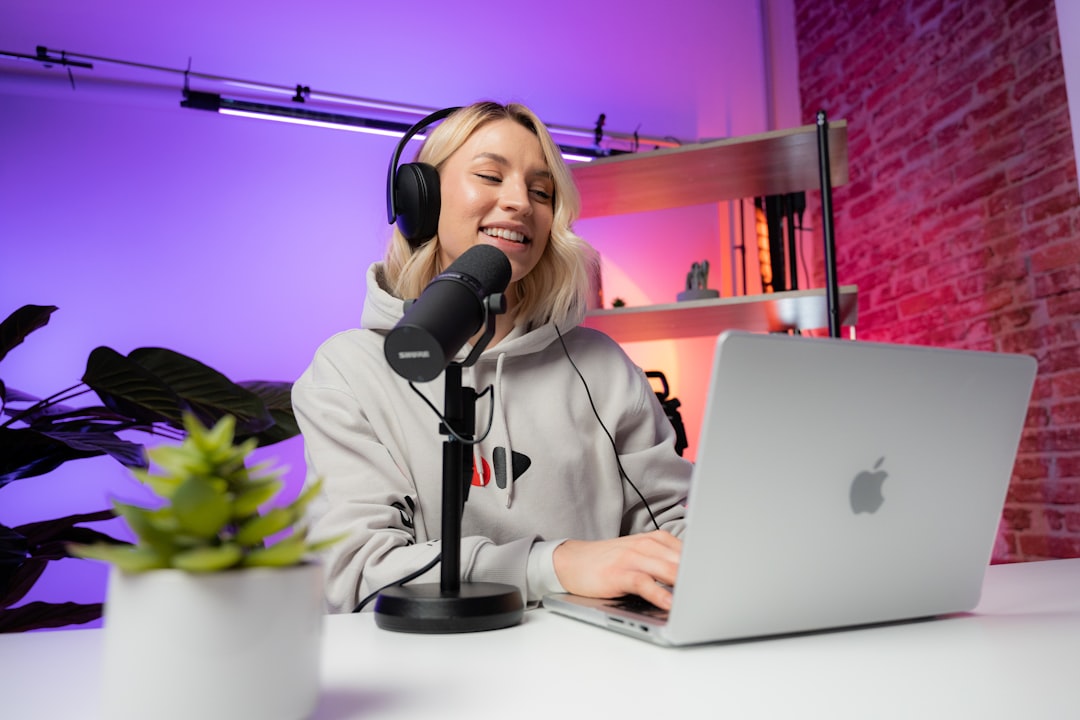
You don’t need expensive equipment to start singing karaoke online, but a few strategic investments dramatically improve your experience. The most important element is a decent pair of headphones or earbuds. They allow you to hear the backing track clearly while monitoring your own voice, preventing the disorienting delay that occurs when singing through device speakers.
A quality external microphone elevates your recordings from amateur to impressive. While smartphone mics have improved significantly, dedicated microphones capture vocal nuances that built-in options miss. USB microphones offer excellent value for beginners—they’re affordable, require no additional equipment, and produce noticeably better sound than phone mics.
Your practice environment matters too. Choose a quiet space with minimal echo. Soft furnishings like curtains, carpets, and upholstered furniture absorb sound reflections, creating cleaner recordings. If you live with others, consider your practice times—early mornings or late evenings might require more restrained volumes or better soundproofing.

Optimizing Your Device Settings
Before your first session, optimize your device for the best karaoke experience. Close unnecessary apps to maximize processing power—audio apps are resource-intensive, and competing programs can cause glitches or delays. Enable “Do Not Disturb” mode to prevent notifications from interrupting your practice or ruining a perfect take.
Check your app’s audio settings. Most quality karaoke platforms offer adjustable vocal and music volumes, allowing you to customize the mix. Beginners often benefit from hearing more of the original vocals initially, gradually reducing them as confidence builds. Advanced singers typically prefer instrumental tracks with minimal or no guide vocals.
Mastering the Fundamentals of Singing 🎶
Technical proficiency separates karaoke enthusiasts from truly impressive singers. Even with the best platform and equipment, poor technique limits your potential and can damage your vocal cords. Understanding basic vocal mechanics protects your voice while unlocking its full capabilities.
Breathing forms the foundation of good singing. Proper breath support comes from your diaphragm, not your chest or shoulders. Place one hand on your stomach and breathe deeply—your hand should move outward. This diaphragmatic breathing provides the steady air pressure needed for sustained notes and volume control.
Posture significantly affects vocal quality. Stand or sit upright with shoulders relaxed and chest open. This alignment allows your lungs to fully expand and prevents tension that constricts your throat. Many singers unconsciously tense their neck and jaw when reaching for difficult notes—staying relaxed produces better sound with less strain.
Warm-Up Exercises Every Session Should Include
Professional singers never perform without warming up, and neither should you. Vocal warm-ups increase blood flow to your vocal cords, improve flexibility, and reduce injury risk. Spend at least five to ten minutes warming up before each karaoke session.
- Lip trills: Blow air through loosely closed lips, creating a buzzing sound while sliding through your range
- Humming scales: Hum ascending and descending scales, keeping your throat relaxed and jaw loose
- Sirens: Glide from your lowest comfortable note to your highest on an “oo” or “ee” sound
- Tongue twisters: Articulation exercises like “red leather, yellow leather” improve diction and facial muscle coordination
- Jaw releases: Gently massage your jaw and stretch it open to prevent tension during singing
Selecting Songs That Match Your Voice
One of the biggest mistakes beginning singers make is choosing songs beyond their current capabilities. That power ballad with impossible high notes might be your favorite, but attempting it before you’re ready leads to frustration and potentially vocal strain. Smart song selection accelerates your progress and keeps practice enjoyable.
Start by identifying your vocal range—the span between your lowest and highest comfortable notes. Most karaoke apps include tools to help determine this. Men typically fall into bass, baritone, or tenor categories, while women classify as contralto, mezzo-soprano, or soprano. Knowing your classification helps you choose appropriate songs.
Begin with songs in your comfortable middle range before tackling extremes. Mid-range singing builds technique and confidence without risking vocal damage. As your skills develop, gradually introduce songs with more challenging passages. This progressive approach builds capability systematically rather than through trial-by-fire.
Genre Considerations for Skill Development
Different musical styles develop different vocal skills. Pop songs often emphasize pitch accuracy and smooth phrasing. Rock demands power and stamina. Jazz requires improvisation and rhythmic flexibility. Country music develops storytelling through vocal inflection. Exposing yourself to varied genres creates well-rounded vocal abilities.
Don’t limit yourself to your favorite genre when practicing. A metal fan might discover valuable breath control lessons in soul music. A pop singer could develop impressive range extensions through musical theater songs. Cross-genre practice prevents stylistic limitations and keeps your sessions interesting.
Using Technology to Improve Your Singing 📱
Modern karaoke platforms incorporate sophisticated tools that provide immediate feedback on your performance. Learning to interpret and apply this feedback accelerates your improvement dramatically. Pitch graphs show whether you’re hitting the correct notes—flat, sharp, or on-target. These visual representations help you understand your tendencies and make real-time corrections.
Recording features are invaluable for self-assessment. What you hear while singing differs from what others hear. Recording yourself reveals pronunciation issues, pitch inconsistencies, and rhythm problems you might not notice in the moment. Regular recording and review creates objective awareness of your strengths and areas needing work.
Many platforms offer vocal effects like reverb, echo, and auto-tune. While these can mask imperfections, use them judiciously during practice. Training with minimal effects exposes weaknesses you need to address. Save heavy processing for performances when you want to sound your absolute best, but build your skills with honest, unfiltered feedback.
Developing Your Unique Performance Style ✨
Technical proficiency matters, but personality and interpretation distinguish memorable performances from technically correct but forgettable ones. As you gain confidence with the mechanics of singing, start developing your unique artistic voice. This means making intentional choices about how you deliver lyrics, phrase melodies, and emotionally connect with songs.
Study artists you admire, but resist simply imitating them. Notice what makes their performances compelling—perhaps it’s their emotional vulnerability, powerful delivery, subtle improvisation, or distinctive tone. Identify elements that resonate with you and experiment with incorporating similar qualities in ways that feel authentic to your personality.
Interpretation involves understanding a song’s meaning and conveying it convincingly. Before performing, consider the story being told and the emotions involved. Your facial expressions, dynamics (volume variations), and phrasing choices should support that narrative. Even without video, emotional authenticity comes through in your voice, creating performances that genuinely move listeners.
Building Stage Presence Through Online Performance
Online karaoke might not require physical stage presence, but developing performance confidence translates to every singing situation. Treat each recording as a real performance. Stand up, engage with the lyrics, and commit fully rather than singing timidly. This mental approach builds the confidence needed for eventually performing live, whether at karaoke bars or more formal venues.
Video features on some platforms let you include visual elements. If you’re comfortable on camera, this adds another dimension to your artistry. Body language, facial expressions, and presentation style become part of your performance package. Even if you prefer audio-only initially, developing these skills creates more opportunities as your confidence grows.
Engaging With the Online Karaoke Community 🌍
One of online karaoke’s greatest advantages is connection with fellow singers worldwide. These communities offer encouragement, constructive feedback, collaboration opportunities, and friendships based on shared musical passion. Engaging authentically with other users enhances your experience and accelerates your growth.
Start by listening to and commenting on others’ performances. Thoughtful, specific feedback builds goodwill and often results in reciprocal engagement. Rather than generic praise, mention particular moments you enjoyed—a well-executed run, emotional delivery, or interesting song choice. This kind of interaction creates meaningful connections rather than superficial follows.
Duet features allow virtual collaborations with singers anywhere. These partnerships introduce you to different styles, challenge you to match another vocalist’s energy, and result in performances more complex than solo efforts. Collaboration also holds you accountable—knowing someone else depends on your contribution motivates consistent practice.
Handling Feedback Gracefully
Sharing your voice publicly requires vulnerability. Not all feedback will be positive, and learning to process criticism constructively is essential for improvement. Distinguish between helpful critique and unhelpful negativity. Comments offering specific observations about technique or suggesting particular areas for development deserve consideration, even if they sting initially.
Genuinely mean-spirited comments say more about the commenter than your abilities. Don’t let trolls discourage you. Focus on feedback from people who clearly want to help you improve. Consider recording progress—comparing performances from months ago to now reveals improvements you might not notice day-to-day, providing perspective when criticism feels overwhelming.
Creating a Consistent Practice Routine
Sporadic practice produces sporadic results. Vocal improvement requires consistency—frequent, shorter sessions typically yield better results than occasional marathon practices. Your vocal cords are muscles that strengthen through regular, appropriate use. Daily fifteen-minute sessions surpass weekly hour-long marathons for most singers.
Structure your practice sessions purposefully. Allocate time for warming up, technical exercises, learning new material, and performing polished songs. This balanced approach develops all necessary skills systematically. Technical work might not feel as fun as performing, but it’s the foundation supporting everything else.
Track your practice in a journal or app. Note songs practiced, techniques worked on, breakthroughs achieved, and challenges encountered. This documentation reveals patterns—perhaps your voice sounds better at certain times of day, or particular exercises produce noticeable improvements. Data-driven practice optimizes your limited time.
Overcoming Common Singing Challenges 🎤
Every singer faces obstacles. Understanding common challenges and their solutions prevents frustration and accelerated progress. Pitch issues plague many beginners—singing flat (below the intended note) or sharp (above it). Pitch problems often stem from not truly hearing the target note or inadequate breath support. Practice matching single notes from a piano or tuning app, then gradually increase complexity.
Running out of breath mid-phrase indicates insufficient breath support or inefficient air use. Work on taking fuller breaths from your diaphragm and singing phrases on single breaths to build capacity. Some songs require strategic breathing points—don’t be afraid to take breaths where the original artist doesn’t if your current capacity requires it.
Vocal strain or hoarseness signals you’re using poor technique or pushing beyond your current capabilities. Never sing through pain. If your throat hurts, rest immediately. Persistent problems warrant consultation with a vocal coach or medical professional. Proper technique should feel relatively effortless—tension and pain indicate something needs adjustment.
Managing Performance Anxiety
Even in online settings, performance anxiety affects many singers. That nervous feeling before hitting “record” is completely normal. Anxiety actually indicates you care about doing well—it’s energy you can channel productively. Preparation reduces anxiety significantly. When you’ve practiced thoroughly, confidence naturally increases.
Reframe nervousness as excitement—physically, the sensations are nearly identical. Deep breathing activates your parasympathetic nervous system, counteracting stress responses. Before recording, take several slow, deep breaths. Visualize yourself performing successfully. Mental rehearsal primes your brain for positive outcomes.
Taking Your Skills Beyond Online Platforms
Online karaoke builds skills applicable far beyond apps. The confidence, technique, and performance abilities you develop translate to karaoke bars, open mic nights, talent shows, choirs, bands, and potentially professional opportunities. Consider online singing as foundational training for wherever your musical journey leads.
When you’re ready, test your skills in live settings. Local karaoke venues provide supportive environments for real-world performance experience. The energy of live audiences differs dramatically from recording alone—it’s exhilarating and challenging in new ways. Start with familiar, comfortable songs to ease the transition from virtual to physical stages.
Consider supplementing online practice with occasional lessons from professional vocal coaches. While apps provide incredible resources, personalized instruction addresses your specific needs in ways algorithms cannot. Even occasional coaching sessions identify issues you might not recognize independently and accelerate your development through expert guidance.
Transforming Your Musical Journey Through Digital Karaoke 🌟
Learning to sing karaoke online represents more than acquiring a new skill—it’s discovering a creative outlet, building confidence, joining a global community, and potentially launching a musical journey you never imagined. The accessibility of modern platforms removes barriers that once prevented people from exploring their vocal potential.
Your progress depends entirely on your commitment. The tools exist, the songs await, and supportive communities stand ready to encourage your development. Whether you aspire to professional singing, simply want to sound better at birthday parties, or need a stress-relieving creative practice, online karaoke delivers.
Start today with realistic expectations and genuine enthusiasm. Your first recordings might make you cringe, and that’s perfectly normal. Every accomplished singer began exactly where you are now. The difference between those who achieve their vocal goals and those who don’t isn’t innate talent—it’s consistent practice, willingness to learn, and persistence through challenges. Your voice is unique, valuable, and capable of remarkable things with proper development. The stage is set, the microphone is ready, and your audience awaits. It’s time to sing. 🎵
