
Anúncios
Learning crafts from the comfort of your home has never been more accessible, opening creative doors for people of all skill levels worldwide.


The digital revolution has transformed how we learn creative skills. Online craft education combines convenience with quality instruction, allowing you to master techniques that once required expensive in-person classes. Whether you’re interested in knitting, woodworking, jewelry making, or paper crafts, the internet offers unlimited opportunities to explore your artistic side.
This comprehensive guide explores everything you need to know about learning crafts online, from choosing the right platform to developing professional-level skills. You’ll discover practical strategies to maximize your learning experience and turn your creative hobby into something truly meaningful.
🎨 Why Online Craft Learning Is Booming Right Now
The online craft education market has experienced explosive growth, reaching $7.5 billion in 2023 according to industry reports. This surge reflects changing attitudes toward traditional education and hands-on hobbies.
People are seeking creative outlets that provide both mental wellness benefits and tangible results. Online platforms deliver exactly that, without requiring commutes or rigid schedules. Students can pause, rewind, and rewatch demonstrations until they perfect each technique.
The pandemic accelerated this trend dramatically. When physical craft stores and community centers closed, millions discovered digital alternatives. Many never went back to traditional learning methods, finding online instruction superior in many ways.
Cost efficiency plays a huge role too. Traditional craft classes average $40-75 per session, while monthly subscriptions to comprehensive online platforms run $10-30. The math speaks for itself, especially when you consider unlimited access to hundreds of courses.
🔍 Finding the Perfect Platform for Your Creative Goals
Choosing the right online learning platform determines your success. Different services cater to distinct learning styles and craft categories, so matching your needs with the right features matters.
Major Platform Categories Explained
Subscription-based services like Creativebug, Craftsy, and Skillshare offer unlimited access to extensive libraries. These work best for explorers who want to try multiple crafts without commitment. Monthly fees typically range from $8 to $20.
Individual course marketplaces such as Udemy and Etsy Pattern let you purchase specific classes. This approach suits learners who know exactly what they want to master. Prices vary from $15 to $200 per course, with frequent sales.
YouTube channels and free resources provide budget-friendly entry points. Channels like The Sorry Girls, Mr. Kate, and countless specialized creators offer high-quality instruction at no cost. The trade-off? Less structured curricula and inconsistent production quality.
Essential Features to Look For
Quality platforms share certain characteristics that enhance learning outcomes:
- HD video quality with multiple camera angles showing hand movements and detail work
- Downloadable project templates and supply lists for each lesson
- Community forums where students share projects and troubleshoot problems
- Mobile app access allowing you to learn anywhere, anytime
- Skill-level filtering from absolute beginner to advanced techniques
- Instructor credentials featuring working artists and established makers
Test-drive platforms using free trials before committing. Most services offer 7-14 day trial periods, giving you enough time to evaluate video quality, teaching styles, and course variety.
🛠️ The Most Popular Crafts to Learn Online
Some crafts translate exceptionally well to digital instruction, while others present challenges. Understanding which skills work best online helps you set realistic expectations.
Top Digital-Friendly Crafts
Knitting and crochet dominate online craft education. The repetitive, methodical nature of yarn work appears clearly on camera. Beginners can start with simple scarves and progress to complex garments. Popular platforms host 200+ courses in these categories alone.
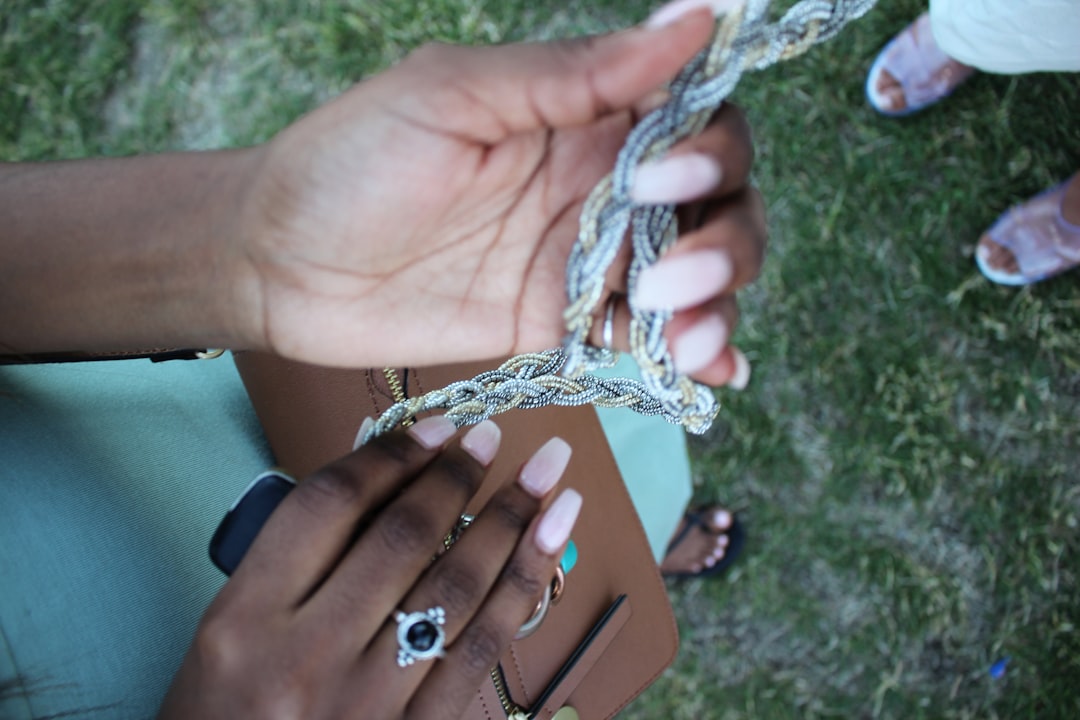
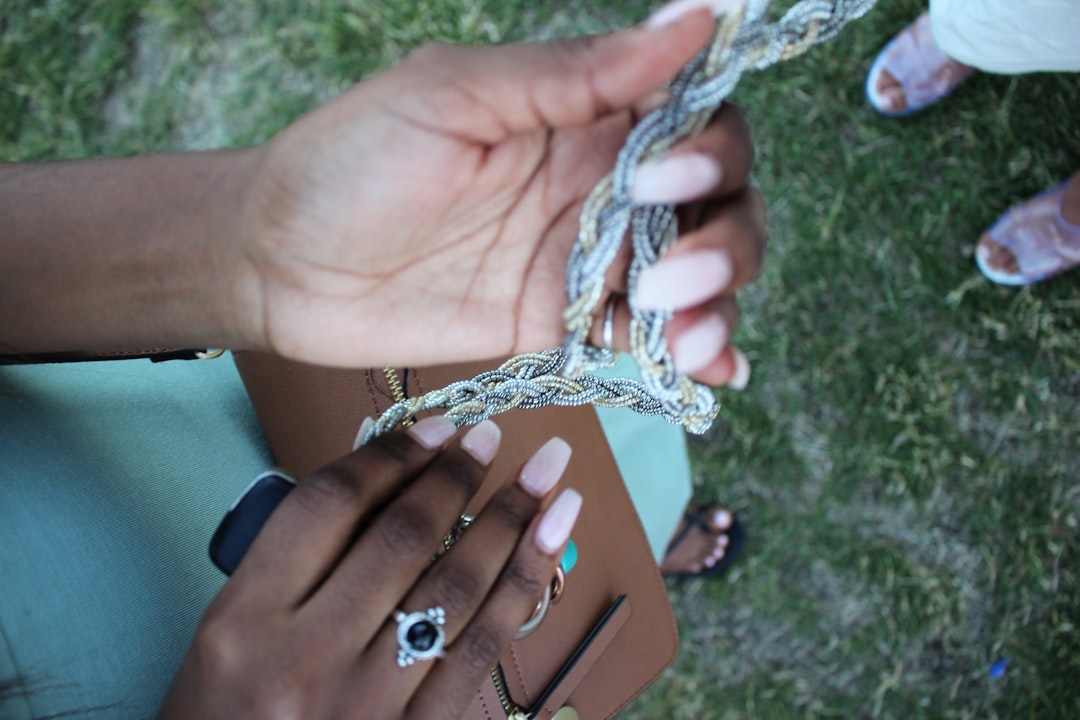
Jewelry making translates beautifully to screen-based learning. Close-up camera work captures intricate wire-wrapping, beading, and metalworking techniques. Starter kits cost $30-50, making the barrier to entry reasonable.
Paper crafts including card making, scrapbooking, and origami excel in online formats. Materials are inexpensive and widely available. Results come quickly, providing the immediate gratification that keeps new learners engaged.
Painting and drawing courses range from watercolor basics to digital illustration. While in-person feedback helps, structured online lessons teach fundamental techniques effectively. Procreate and iPad-based courses have created entirely new learning categories.
Crafts Requiring Extra Consideration
Some skills present unique challenges in digital formats but remain learnable with the right approach.
Woodworking requires significant equipment investment and safety knowledge. Online courses work best when supplementing hands-on practice rather than replacing it entirely. Focus on design principles and techniques before tackling complex projects.
Ceramics and pottery need specialized equipment like wheels and kilns. However, hand-building techniques and air-dry clay projects adapt well to online instruction. Many learners use online courses to develop skills before investing in studio access.
Sewing and quilting succeed online when instructors provide clear pattern instructions and detailed machine operation guidance. The key is starting with simple projects and gradually building complexity.
📚 Building Your Online Craft Education Strategy
Random browsing leads to abandoned projects and wasted money. Strategic learners follow structured paths that build skills progressively.
Starting With Solid Foundations
Resist the temptation to jump into advanced projects immediately. Master fundamental techniques first, even if they seem boring. These basics appear repeatedly in more complex work.
Dedicate your first month to skill-building courses rather than project-based classes. Learn proper tool handling, material selection, and basic techniques specific to your chosen craft. This foundation prevents frustration later.
Complete at least three beginner projects before progressing to intermediate levels. Repetition solidifies muscle memory and builds confidence. Choose projects with similar techniques to reinforce learning through practice.
Creating a Realistic Practice Schedule
Consistency beats intensity in skill development. Daily 20-minute sessions outperform sporadic three-hour marathons for building lasting abilities.
Schedule craft time like appointments. Block specific days and times in your calendar, treating them as non-negotiable commitments. Most successful online learners practice 3-5 times weekly for 30-60 minutes per session.
Set up a dedicated workspace where supplies stay accessible. Eliminating setup/cleanup friction dramatically increases practice frequency. Even a small corner with organized materials makes huge differences.
💡 Maximizing Your Online Learning Experience
Passive video watching rarely produces skill mastery. Active engagement strategies separate successful learners from those who merely consume content.
Effective Note-Taking Techniques
Create a craft journal documenting techniques, supplier sources, and personal modifications. Photograph completed projects with notes about what worked and what didn’t.
Pause videos to write down key steps before attempting them physically. This mental processing strengthens retention compared to simply watching and doing.
Screenshot critical moments showing hand positions or technique details. Build a personal reference library organized by craft type and skill level.
Engaging With Online Communities
Join platform-specific forums and social media groups focused on your craft. Share work-in-progress photos and ask specific questions when stuck.
Communities provide accountability and motivation that solo learning lacks. Seeing others’ progress inspires continued effort, while troubleshooting together builds problem-solving skills.
Participate in challenges and virtual craft-alongs. These structured group activities create deadlines and social connections that keep you engaged during motivation dips.
🎯 Turning Skills Into Income Opportunities
Many online craft learners eventually monetize their new skills. The path from hobbyist to seller requires strategic planning beyond technique mastery.
Building a Sellable Product Line
Start by creating 20-30 pieces before selling anything. This quantity lets you refine techniques and develop consistent quality standards. Photograph these pieces to build initial portfolio content.
Research pricing in your craft category thoroughly. Etsy, Instagram, and craft fair websites reveal what similar items sell for. Calculate material costs, labor time, and platform fees to ensure profitable pricing.
Focus on 3-5 signature products rather than offering everything you can make. Specialization builds brand recognition and streamlines production processes.
Marketing Your Handmade Goods
Social media marketing works differently for handmade items than other products. Behind-the-scenes content showing your process often outperforms finished product photos.
Post consistently on 2-3 platforms maximum. Instagram and Pinterest drive significant craft sales, while TikTok increasingly attracts younger buyers. Choose platforms where your target customers already spend time.
Use platform-specific hashtags strategically. Research which tags your ideal customers follow, mixing popular tags (#handmade, #etsyshop) with niche-specific ones (#modernmacrame, #ceramicjewelry).
🚀 Advanced Learning Tactics for Serious Students
Once you’ve mastered basics, these strategies accelerate skill development and push creative boundaries.
Cross-Training Between Related Crafts
Combining complementary skills creates unique products and deeper understanding. Jewelry makers who learn metalworking alongside beading create more sophisticated designs. Knitters who study dyeing techniques produce exclusive colorways.
Identify skill overlaps between crafts. Woodworkers benefit from learning leather working for handle wraps. Paper crafters enhance projects with basic calligraphy skills.
Dedicate 20% of learning time to adjacent skills. This cross-pollination sparks creativity and differentiates your work in crowded markets.
Studying Design Principles Separately
Technical skill alone doesn’t guarantee beautiful results. Understanding color theory, composition, and design fundamentals elevates all craft work.
Take dedicated courses in design fundamentals even if they aren’t craft-specific. Graphic design and fine art principles apply directly to handmade items.
Analyze work you admire critically. Identify specifically what makes certain pieces appealing—color combinations, proportions, texture contrasts. Apply these observations to your own creations.
📊 Measuring Progress and Setting Goals
Tracking development keeps motivation high and identifies areas needing attention. Concrete metrics provide clearer pictures than vague feelings of improvement.
| Timeframe | Skill Milestone | Portfolio Goal |
|---|---|---|
| Month 1 | Complete 3 beginner projects | Document process with photos |
| Month 3 | Master 5 core techniques | Create 10 finished pieces |
| Month 6 | Attempt first advanced project | Build cohesive collection of 20+ items |
| Month 12 | Teach technique to someone else | Consider selling/exhibiting work |
Creating a Skills Assessment System
Rate your comfort level with specific techniques monthly on a 1-10 scale. Watch as numbers climb, providing tangible proof of progress during frustrating plateaus.
Record completion times for standard projects. As skills improve, you’ll naturally work faster while maintaining or improving quality.
Save early work rather than discarding it. Comparing month-one projects to month-six pieces provides powerful motivation and reveals how far you’ve come.
🌟 Overcoming Common Online Learning Challenges
Every online craft student faces predictable obstacles. Recognizing and addressing these barriers prevents premature quitting.
Dealing With Motivation Dips
Enthusiasm naturally wanes after initial excitement fades. Prepare for this psychological pattern rather than interpreting it as lack of interest.
Commit to the “two-week rule” during low motivation periods. Continue practicing for 14 days before making decisions about quitting. Most slumps pass within this timeframe.
Switch between project types when boredom strikes. Alternate between skill-building exercises and fun, creative projects to maintain engagement.
Managing Supply Costs Effectively
Craft supplies accumulate quickly, straining budgets if left unchecked. Strategic purchasing prevents waste and financial stress.
Complete starter projects with budget-friendly materials before investing in premium supplies. Practice techniques with inexpensive options until you’ve mastered basics.
Join supply swap groups where crafters exchange unused materials. Local craft circles and online communities regularly organize these exchanges, providing variety without constant purchases.
Buy supplies for specific projects only initially. Resist the urge to stockpile materials “just in case.” This discipline prevents overwhelm and wasted money on unused items.
🏆 Taking Your Skills Beyond the Screen
Online learning provides foundation, but real-world application cements knowledge and opens new opportunities.
Finding Local Craft Communities
Search Meetup.com and Facebook for craft groups in your area. These communities host skill-shares, group projects, and social events that deepen your practice.
Library maker spaces and community centers often offer free or low-cost studio time with equipment access. These resources let you attempt projects requiring tools you don’t own.
Attend local craft fairs as a visitor before selling. Observe successful vendors’ display techniques, pricing strategies, and customer interaction styles.
Entering Competitions and Exhibitions
Regional and national craft competitions provide goal motivation and skill validation. Entry fees typically range from free to $50, with prizes including cash, supplies, and recognition.
Start with online competitions hosted by supply companies and craft platforms. These lower-pressure events build confidence before entering juried shows.
Gallery exhibitions and craft shows require curated collections showing cohesive vision. Even if you don’t sell pieces, exhibition experience provides valuable feedback and networking opportunities.
🔄 Continuing Education and Skill Evolution
Craft mastery represents a lifelong journey rather than a destination. The best makers remain perpetual students, constantly expanding capabilities.
Revisit beginner courses annually. You’ll notice details and nuances invisible during initial learning, extracting new value from familiar content.
Follow working artists and professional crafters whose work you admire. Many share techniques, business insights, and inspiration through blogs, newsletters, and social media.
Challenge yourself with at least one stretch project quarterly—something slightly beyond current abilities. These challenges force growth and prevent stagnation in comfortable skill zones.
Consider formal certification programs if you plan to teach eventually. Organizations like the Craft Yarn Council offer instructor certifications that lend credibility and deepen knowledge.
💭 Building a Sustainable Craft Practice
Long-term success requires balancing passion with practical considerations. Sustainable craft practices prevent burnout while maintaining creative joy.
Set realistic expectations about progress speed. Skill development follows irregular patterns with plateaus and sudden breakthroughs. Trust the process during slower periods.
Protect craft time from other obligations. Communicate boundaries with family and friends, establishing that your creative practice deserves the same respect as any other important activity.
Alternate between challenging projects and relaxing ones. Not every make needs to push boundaries. Sometimes crafting for pure enjoyment recharges creative batteries.
Monitor for signs of repetitive strain injuries early. Proper posture, regular breaks, and ergonomic tools prevent painful conditions that can end craft careers prematurely.
The journey of learning crafts online offers endless possibilities for creativity, skill development, and personal fulfillment. With the right platform, dedicated practice, and strategic approach, you can transform from complete beginner to accomplished maker—all from wherever you feel most comfortable creating. Your next masterpiece starts with a single lesson, so choose your craft, find your platform, and begin building skills that last a lifetime.
